The wider picture
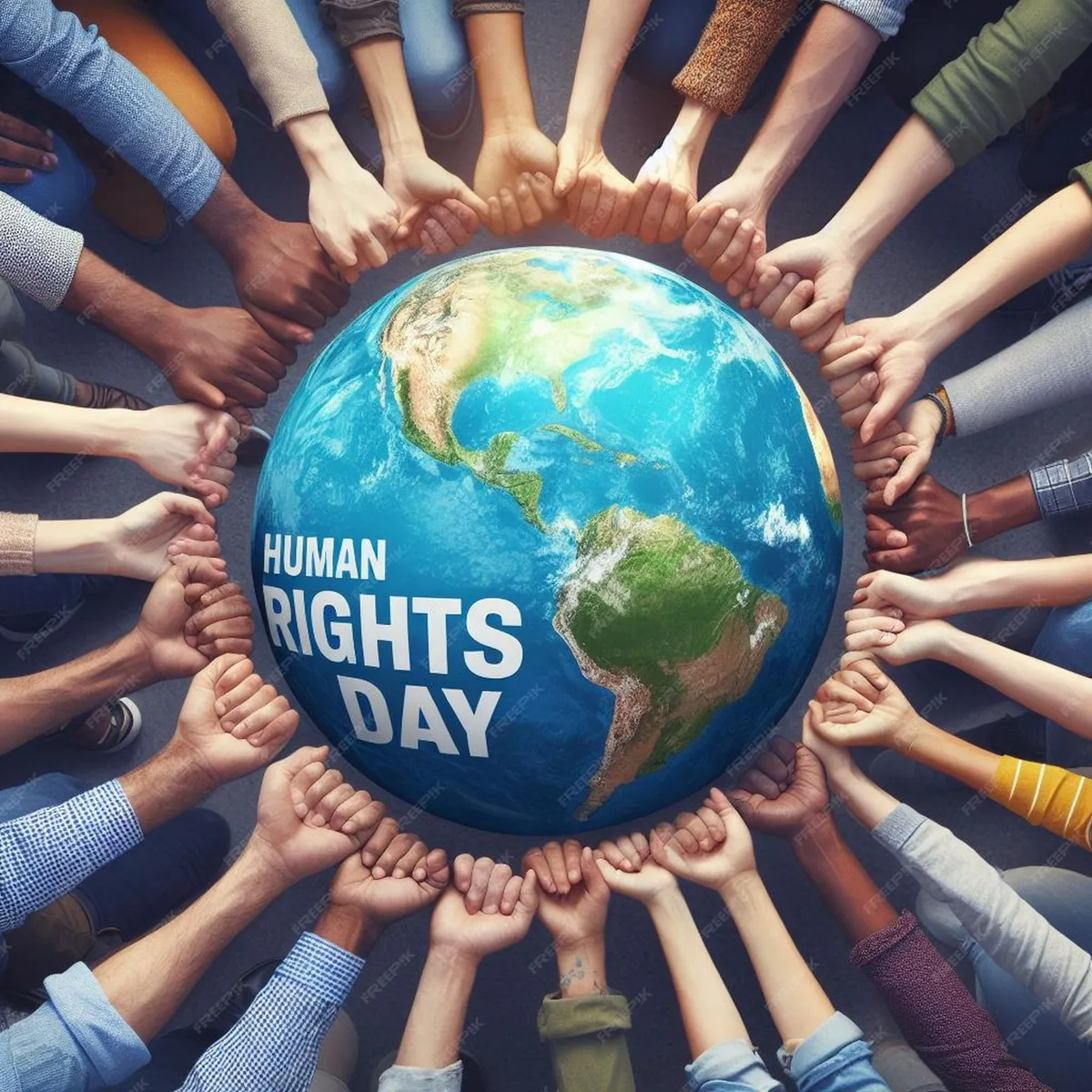
Human Rights Day in South Africa commemorates the principles of equality, human dignity, and freedom embedded in the Constitution. This day is historically significant, marking the struggle for these rights and serving as a reminder of the ongoing challenges faced by marginalized communities, including the LGBTQIA+ population.
On March 21, 2026, members of South Africa’s LGBTQIA+ community will march in Pretoria, organized by the SA Queer Movement for Human Rights in Diversity. The march is set to begin at 10:00 am at Burgers Park and will proceed approximately 1.2 kilometers to the Department of Justice. Activists are mobilizing to draw attention to the lived realities of LGBTQIA+ individuals, which they argue fall short of the constitutional promises of equality and dignity.
Ntsupe Mohapi, a representative of the organizing group, stated, “We chose Human Rights Day to remind our government and the citizens of South Africa that LGBTIQ+ rights are human rights.” This sentiment underscores the march’s purpose: to highlight ongoing human rights challenges faced by LGBTQIA+ individuals in South Africa.
Among the key demands of the marchers are the faster processing of identity documents for transgender individuals, legal recognition of intersex persons, and the establishment of a government Directorate for LGBTIQ+ Affairs. These demands reflect a broader call for systemic changes that would enhance the rights and recognition of LGBTQIA+ people within South African society.
While acknowledging the strides made by the government, particularly from the Department of Justice, Mohapi also emphasized the need for continued advocacy. “There are strides made by government, especially from the Department of Justice, and we commend them for that,” he noted. However, the march serves as a reminder that more work is needed to ensure that the rights of LGBTQIA+ individuals are fully realized.
The broader public is encouraged to support the march, which aims to normalize the inclusion of LGBTQIA+ people in society. Activists believe that public support is crucial in fostering an environment where equality and dignity are upheld for all citizens, regardless of their sexual orientation or gender identity.
As Human Rights Day approaches, observers note that the event will not only serve as a platform for advocacy but also as a reminder of the ongoing struggle for equality in South Africa. Mohapi concluded, “If these demands are not met, we will engage further with government and continue working with LGBTIQ+ organisations and allies to ensure that our demands are realised.” This statement reflects a commitment to persistent activism and dialogue with authorities to address the pressing issues faced by the LGBTQIA+ community.