The wider picture
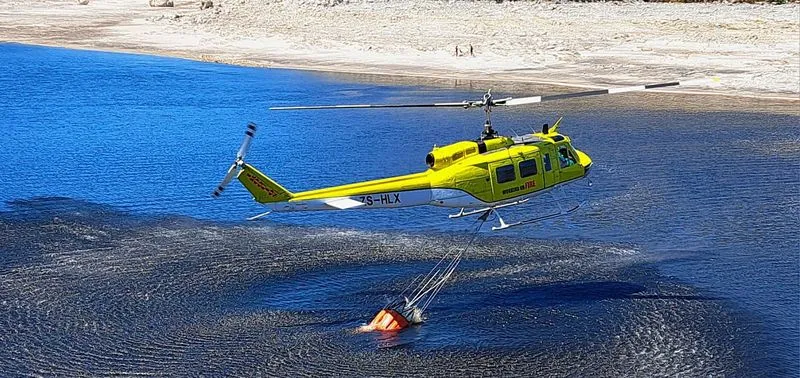
Firefighting helicopters are commonly used in Cape Town during summer months for wildfire suppression. On March 25, 2026, a yellow Huey firefighting helicopter crashed above Hout Bay, an area known for its scenic beauty and proximity to Table Mountain National Park. The incident occurred while the helicopter was actively engaged in firefighting efforts against a blaze that had already consumed approximately 160 hectares of land on the Cape Peninsula.
The pilot, Mike Bothma, managed to escape the crash without serious injuries, although he did receive medical attention following the incident. Linton Rensburg, a representative from Kishugu Aviation, expressed relief, stating, “He’s a little bit shaken, but we’re just glad that he was able to walk away from it.” This sentiment reflects the high stakes involved in aerial firefighting, where pilots often face hazardous conditions.
Emergency services were promptly activated following the crash, with Wilderness Search and Rescue among the first responders to the scene. Rob Quintas, a spokesperson for the emergency services, noted, “There is a fire crew onsite who will manage the secondary fire caused by the crash once the area is secured.” This highlights the ongoing challenges faced by firefighting teams, especially when dealing with multiple fire incidents simultaneously.
The helicopter was operating under a contract with South African National Parks at the time of the incident, emphasizing the collaboration between private aviation companies and government agencies in managing wildfires. The Department of Forestry, Fisheries and the Environment (DFFE) has since commended the efforts of all firefighting and emergency personnel involved in the wildfire suppression efforts, wishing the pilot a speedy recovery.
As investigations into the cause of the crash are underway, the South African Civil Aviation Authority is tasked with determining the factors that led to the incident. Details remain unconfirmed regarding whether wind shear or visibility issues may have contributed to the crash, leaving many questions unanswered.
The crash serves as a reminder of the risks associated with aerial firefighting, particularly in regions prone to wildfires. The ongoing blaze on the Cape Peninsula underscores the critical role that helicopters play in combating such fires, as well as the inherent dangers faced by pilots in these challenging environments.
As the situation develops, observers and officials will be closely monitoring the investigation’s findings. The hope is that lessons learned from this incident will enhance safety protocols for future firefighting operations, ensuring that pilots can continue to perform their vital work in protecting both lives and property from the ravages of wildfires.