Who is involved
In a significant diplomatic shift, South African President Cyril Ramaphosa was uninvited from the upcoming G7 Summit, scheduled for March 26, 2026, in Evian, France. This decision came under pressure from the United States, which threatened to boycott the summit if South Africa was allowed to participate. Historically, Ramaphosa has been invited to G7 meetings as a guest, with his last attendance occurring in 2025, following a previous invitation extended by French President Emmanuel Macron in 2019.
The retraction of South Africa’s invitation marks a notable departure from the previous expectation that the nation would continue to be included in such international forums. The US’s influence in this matter underscores the complexities of global governance and the shifting alliances that characterize current diplomatic relations. South Africa, while not a member of the G7 coalition, has been a participant in discussions that shape global policy.
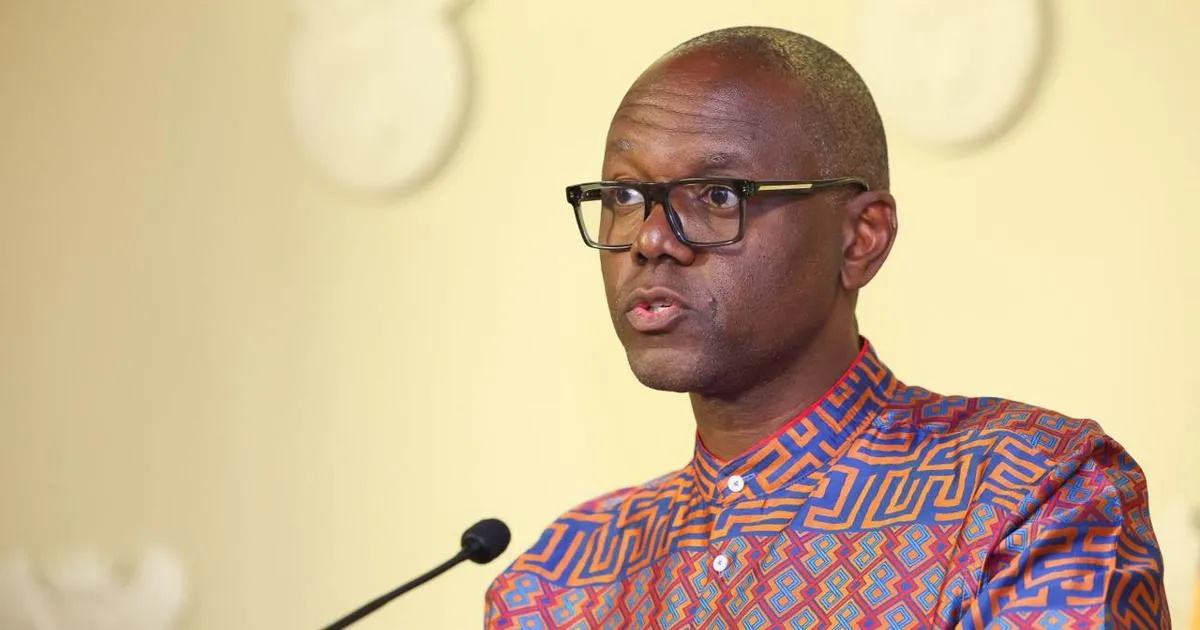
The immediate effects of this decision are significant for the parties involved. For South Africa, the withdrawal of the invitation reflects a deteriorating relationship with the US, which has clashed with the nation over various diplomatic issues in recent years. Notably, the US imposed 30 percent tariffs on South African exports under former President Trump, further straining bilateral relations. Vincent Magwenya, spokesperson for Ramaphosa, indicated that the retraction was a result of sustained pressure, highlighting the challenges faced by South Africa in maintaining its presence on the global stage.
Experts have weighed in on the implications of this diplomatic shift. Dr. Thelela Ngcetane-Vika remarked, “It tells us about the problems of the global governance architecture,” suggesting that the retraction of the invitation is indicative of broader issues within international relations. The ability of one nation to influence the participation of another in global forums raises questions about the fairness and inclusivity of such gatherings.
In contrast, Ramaphosa has publicly stated that there has been no pressure from any country regarding the invitation, asserting that the relationship between South Africa and France remains strong. He emphasized, “This will have no impact on the strength and close nature of our bilateral relationship with France,” suggesting that despite the setback, diplomatic ties with France may remain intact.
The historical context of US influence over South Africa’s participation in international forums adds another layer to this situation. The US has consistently played a role in shaping South Africa’s diplomatic engagements, often leveraging its power to dictate terms. This incident serves as a reminder of the delicate balance of power in international relations and the potential consequences of diplomatic decisions.
As the G7 Summit approaches, the ramifications of this invitation retraction will likely continue to unfold. Observers will be watching closely to see how this decision affects South Africa’s diplomatic strategy moving forward and whether it will seek to re-establish its presence in similar international discussions. Details remain unconfirmed regarding any potential future invitations or changes in the dynamics of South Africa’s relationships with other G7 nations.