How it unfolded
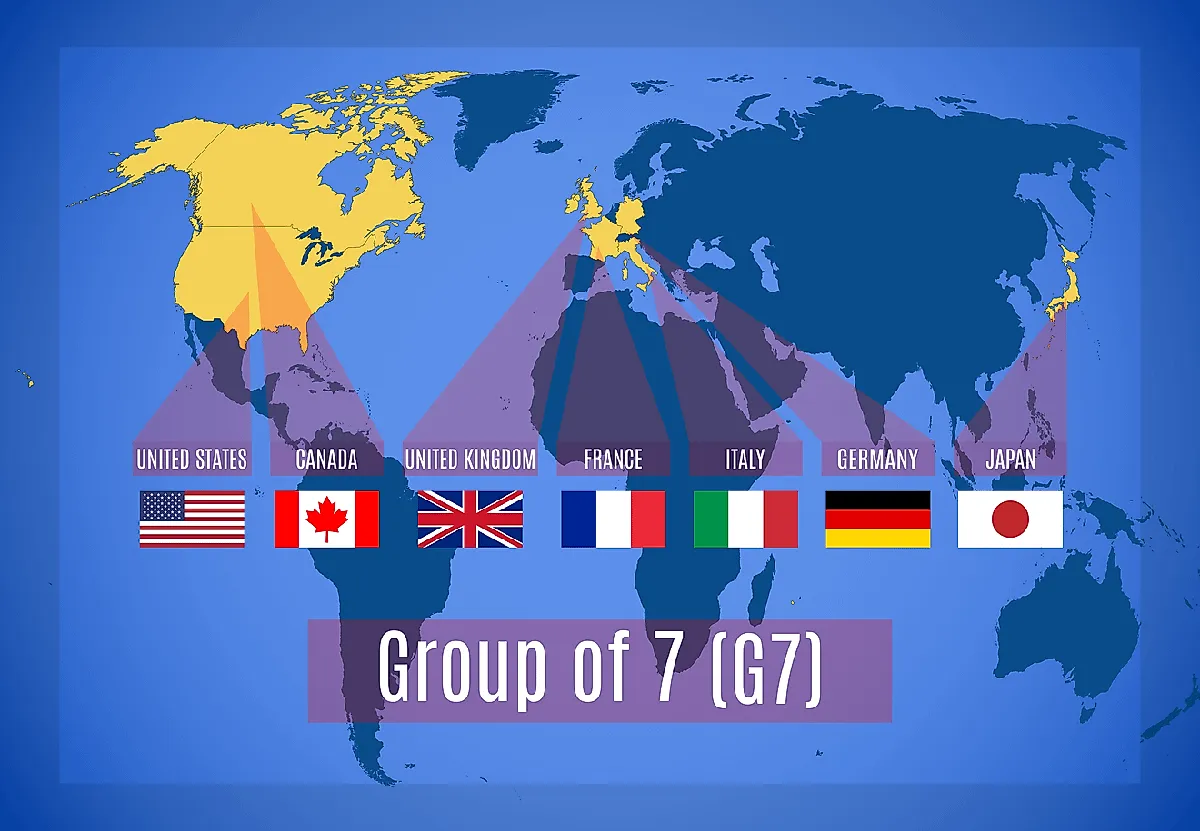
As the G7 Summit approaches, scheduled for June 1, 2026, in Evian, France, tensions have emerged regarding South Africa’s participation. The backdrop of this controversy is rooted in the deteriorating diplomatic relationship between the United States and South Africa, which has been strained over various issues, including accusations of violence against white minorities. This situation has led to significant developments in the lead-up to the summit.
In a surprising turn of events, Cyril Ramaphosa, the President of South Africa, was disinvited from the G7 Summit due to pressure from the United States. Reports indicate that the US threatened to boycott the summit if South Africa was allowed to attend. This ultimatum has raised questions about the influence of the US in international diplomatic gatherings and the implications for global governance.
Historically, South Africa was invited to the G7 organized by Canada in 2025, marking a significant moment in its diplomatic engagement with major world economies. However, the current disinvitation underscores a shift in the dynamics of international relations, particularly in the context of US foreign policy under the Trump administration. During his tenure, Trump imposed 30-percent tariffs on most South African exports, further complicating bilateral relations.
The US Supreme Court recently overruled Trump’s tariff policy against South Africa, indicating a potential shift in the approach towards trade and diplomacy. Despite this legal development, the political landscape remains fraught, as the US continues to exert pressure on its allies regarding South Africa’s role in international forums.
Vincent Magwenya, a spokesperson for Ramaphosa, stated, “We are told that the Americans threatened to boycott the G7 if South Africa was invited.” This statement reflects the complexities of international diplomacy, where the interests of powerful nations can overshadow the participation of others. Magwenya also emphasized that this situation would not impact the strength of South Africa’s bilateral relationship with France, indicating a desire to maintain strong ties despite the current tensions.
Jean-Noël Barrot, a French official, noted that France chose to organize a G7 summit that is coherent and tightly focused on geo-economic topics. This focus may have contributed to the decision to exclude South Africa, as the country is not a member of the G7 and its inclusion could complicate the agenda. France’s Foreign Minister also stated that there was no pressure to exclude South Africa, suggesting that the decision was made independently of US influence.
The implications of these developments are significant for the G7 countries and for South Africa. The exclusion of South Africa from the summit raises questions about the representation of emerging economies in global governance structures. Dr. Thelela Ngcetane-Vika remarked, “It tells us about the problems of the global governance architecture,” highlighting the ongoing challenges in achieving inclusive international dialogue.
As the summit date approaches, the situation remains fluid, with the potential for further developments. Details remain unconfirmed regarding any possible changes to South Africa’s status at the summit or the broader implications for US-South Africa relations. The unfolding events will likely continue to shape the discourse around international diplomacy and the role of emerging economies in global governance.