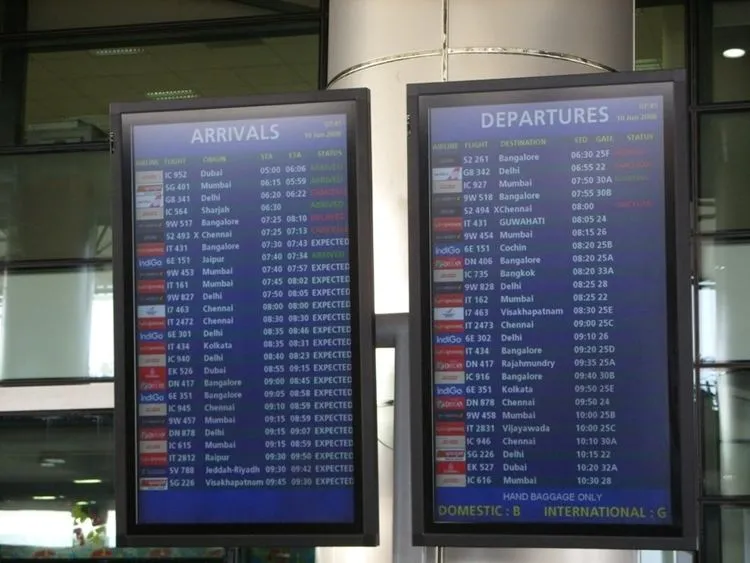
On April 12, 2026, over 1,900 flights were delayed and at least 135 flights were canceled across major U.S. hubs, exacerbating travel disruptions for thousands of passengers. The following day, April 13, saw at least 55 cancellations and 2,345 delays reported nationwide.
American Airlines reported the highest number of delays among the ‘Big Four’ carriers, contributing to the ongoing challenges faced by travelers. Chicago O’Hare has emerged as a focal point for these disruptions, currently leading the country in flight cancellations and delays.
The Federal Aviation Administration (FAA) has implemented flow control measures to alleviate congestion at affected airports. However, travelers have encountered significant difficulties in rebooking their journeys due to the cascading effects of these flight disruptions.
The air travel system is under increasing scrutiny as it grapples with staffing shortages and unpredictable weather patterns, which have been identified as key factors contributing to the ongoing instability. Observers note that the combination of these issues raises concerns about the overall reliability of air travel.
As the situation develops, the FAA and airlines are expected to continue monitoring conditions closely. Details remain unconfirmed regarding any long-term solutions that may be implemented to address these persistent challenges in the air travel sector.