Reaction from the field
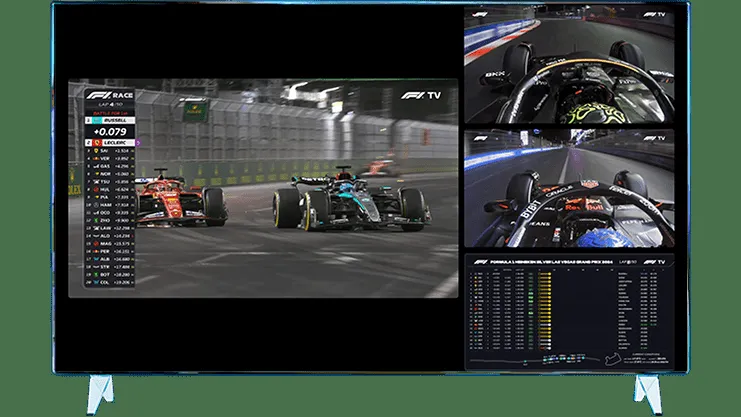
The recent F1 TV commentary during the practice sessions at Suzuka has highlighted the significant challenges faced by top teams, particularly McLaren and Ferrari. Jolyon Palmer, a former F1 driver and commentator, expressed concerns regarding the current state of Formula 1 rules and regulations, emphasizing the complexities that have emerged in recent seasons.
During the second practice session (FP2), Ferrari’s Sporting Director Diego Ioverno acknowledged the team’s struggles, stating they have “plenty to do” to catch up with McLaren. This admission comes after Oscar Piastri’s impressive performance, where he ended FP2 in first place, showcasing McLaren’s potential to compete at the front.
Despite Piastri’s success, Lando Norris finished behind the Mercedes drivers at the end of the first practice session (FP1), indicating that McLaren still has work to do to maintain its competitive edge. The average speed loss of 53.4 KPH recorded between the 130R and the final chicane during FP2 further underscores the difficulties teams are facing in optimizing their performance on the track.
Franco Colapinto, another driver, experienced a more severe speed loss of 70 KPH through the same section, highlighting the varying levels of performance among teams. Palmer noted that McLaren must learn to maximize the Mercedes power unit to fully leverage their hardware, as the performance differences between cars have become increasingly pronounced, even among those utilizing the same engine.
The complexity of the current F1 engines has left many teams, particularly those outside of Mercedes and possibly Ferrari, struggling to understand their intricacies. Palmer pointed out that the gap between the pace setters and backmarkers this season exceeds three seconds, a situation that many in the sport find astonishing.
Charles Leclerc also commented on the evolving nature of qualifying, stating that it is no longer a straightforward effort but requires careful electricity management. This shift has diminished the clarity in comparing driver performances, as the era of pure speed and power has given way to a more strategic approach.
As teams prepare for the upcoming races, uncertainties remain regarding the impact of the new regulations on performance. The future competitiveness of McLaren and Ferrari is also in question, as both teams must improve to effectively challenge for podium positions. Details remain unconfirmed regarding how these challenges will unfold in the coming races.