The wider picture
The 2026 F1 season is marked by significant changes, including new power units and aerodynamic modifications that have resulted in notable performance variations among teams. As the season progresses, teams like Mercedes, McLaren, Ferrari, and others are adapting to these changes, which have affected their competitiveness on the track. The introduction of these new regulations has led to a tightly contested season, with only a 3.5-second spread from the first to the last in current F1 standings.
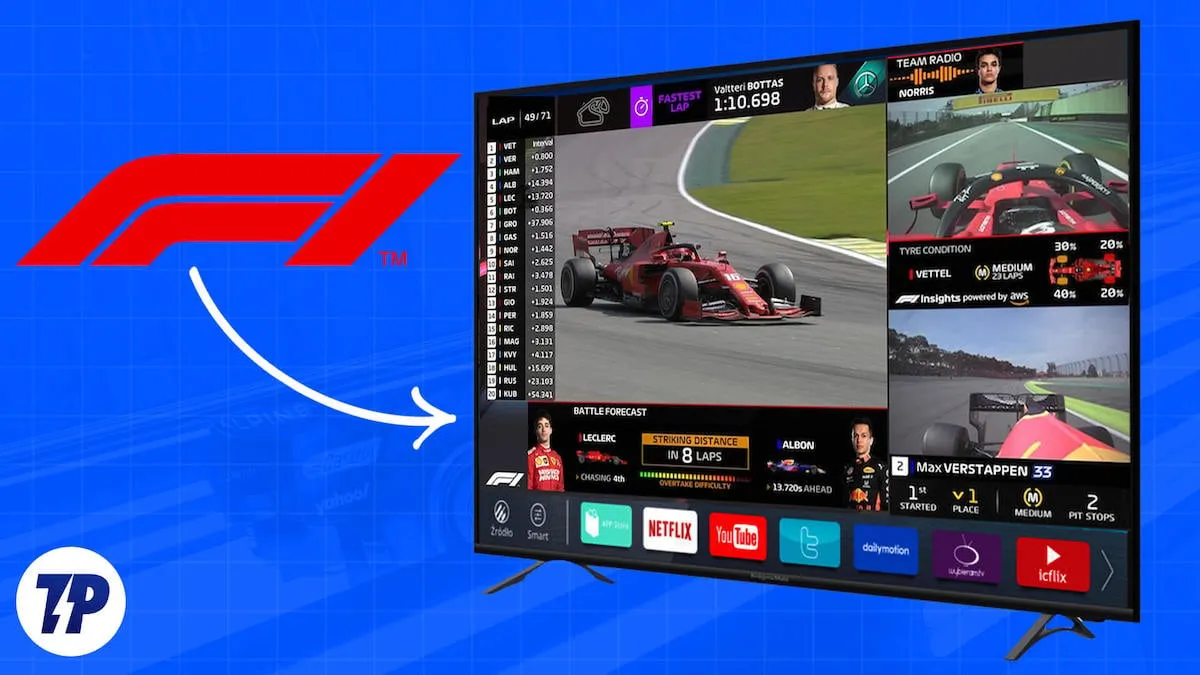
In this evolving landscape, F1 TV is set to play a crucial role in how fans engage with the sport. The platform offers live coverage of every session, including exclusive features such as onboard cameras and access to Pre-Race and Post-Race Shows. With F1 TV Premium, viewers can enjoy races in 4K Ultra HD/HDR on up to six devices, enhancing the viewing experience significantly.
As part of a groundbreaking development, Apple has become the new Official U.S. Broadcaster for Formula 1, incorporating F1 TV into its Apple TV subscription service. This five-year exclusive deal is expected to reshape the way American fans access Formula 1 content, allowing them to stream races, practices, and qualifying sessions seamlessly. The monthly subscription cost for Apple TV is set at $12.99, with a seven-day free trial available for new subscribers, making it more accessible for fans.
The Japanese Grand Prix, scheduled for March 29, 2026, will be one of the key events broadcasted through this new partnership. As the season unfolds, teams are expected to showcase their capabilities, with drivers like Charles Leclerc emphasizing the importance of electricity management during qualifying sessions, indicating a shift in strategy due to the new regulations.
Initial reactions from industry experts suggest that teams like McLaren, which have received powerful engines from Mercedes, still face challenges in fully utilizing their potential. Jolyon Palmer noted that while McLaren possesses the hardware, they need to understand how to optimize it effectively. This sentiment reflects the broader challenges teams face as they adapt to the new technical landscape.
As the season progresses, observers are keen to see how F1 TV will enhance the viewing experience for fans. With 22 drivers’ cars equipped with onboard cameras, the platform promises to deliver a more immersive experience, allowing fans to feel closer to the action than ever before. The integration of advanced features and high-definition streaming is anticipated to attract a wider audience to Formula 1.
In summary, the collaboration between F1 TV and Apple TV marks a significant shift in the broadcasting of Formula 1 in the U.S. As teams navigate the complexities of the 2026 season, fans can look forward to a more engaging and accessible way to follow their favorite sport. The future of F1 broadcasting appears promising, with innovative features and exclusive content set to redefine the fan experience.