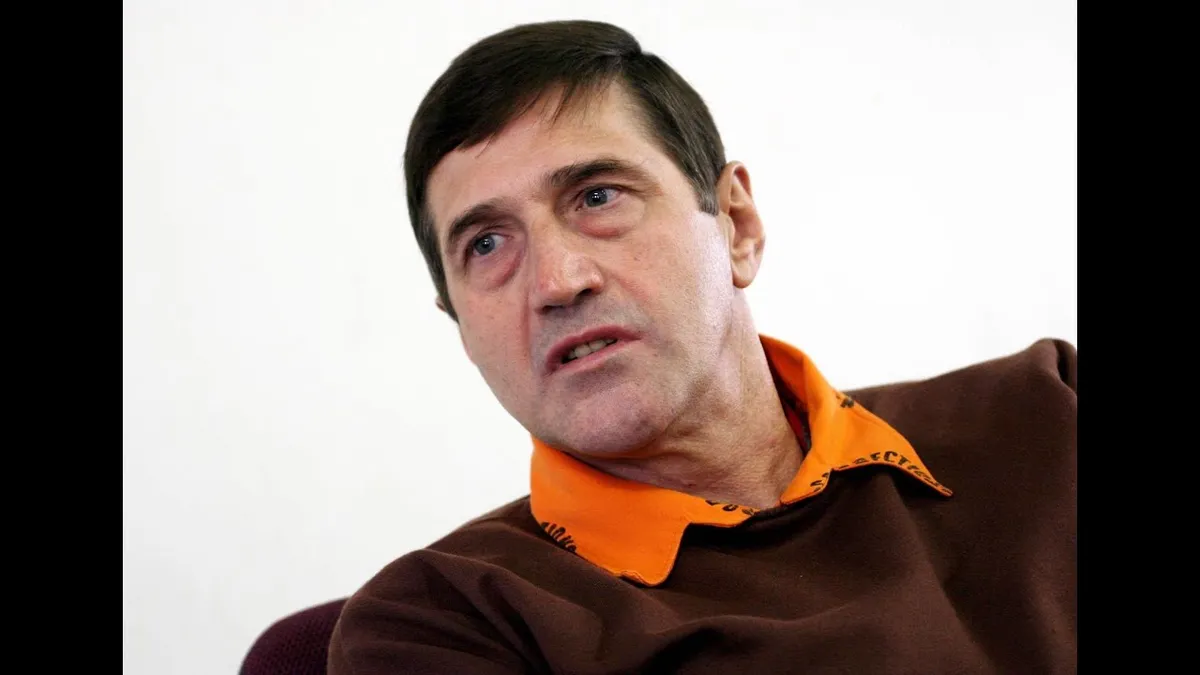
The apartheid state used lethal directives against suspected terrorists, including anti-apartheid activists. Recently, Eugene de Kock, a former police officer, testified in the Gqeberha High Court regarding the murders of the Cradock Four, a group of anti-apartheid activists abducted and killed in 1985. De Kock denied any direct involvement in their murders, stating, “Not one single one. They were civilians. That is, it.”
During his testimony, de Kock confirmed that the term “permanent removal” in a 1985 document referred to assassination. He explained that the Cradock Four were abducted after attending a United Democratic Front meeting and that they were not considered terrorists by Vlakplaas, the covert unit he was part of.
De Kock’s involvement in the case began after the murders were committed. He was approached to replace the barrel of a firearm used in the operation. The bodies of the Cradock Four were later discovered near Bluewater Bay, showing signs of torture and burning.
In 1999, de Kock was granted amnesty for the Cradock murders, a decision that has been met with controversy. The inquest into the deaths of the Cradock Four has resumed, with de Kock describing the operations of Vlakplaas and the planning of missions under a strict chain of command.
As the inquest continues, Lukhanyo Calata, a relative of one of the victims, expressed his desire for transparency, stating, “I just feel that they should let him speak.” De Kock emphasized the importance of uncovering the truth, saying, “Let’s get the truth out.”
De Kock also commented on the nature of terrorism, asserting, “Terrorism is when nobody feels safe, even to go to a Wimpy or to a church and then being bombed or shot.” This statement reflects the complex legacy of the apartheid era and the ongoing struggle for justice in South Africa.
Observers are closely watching the proceedings, as the inquest aims to shed light on the events surrounding the Cradock Four’s abduction and murder. The testimonies presented may have significant implications for understanding the actions of the apartheid regime.
Details remain unconfirmed regarding the next steps in the inquest, but it is expected that further testimonies will be heard as the court seeks to establish a clearer picture of the events that transpired in 1985.