The wider picture
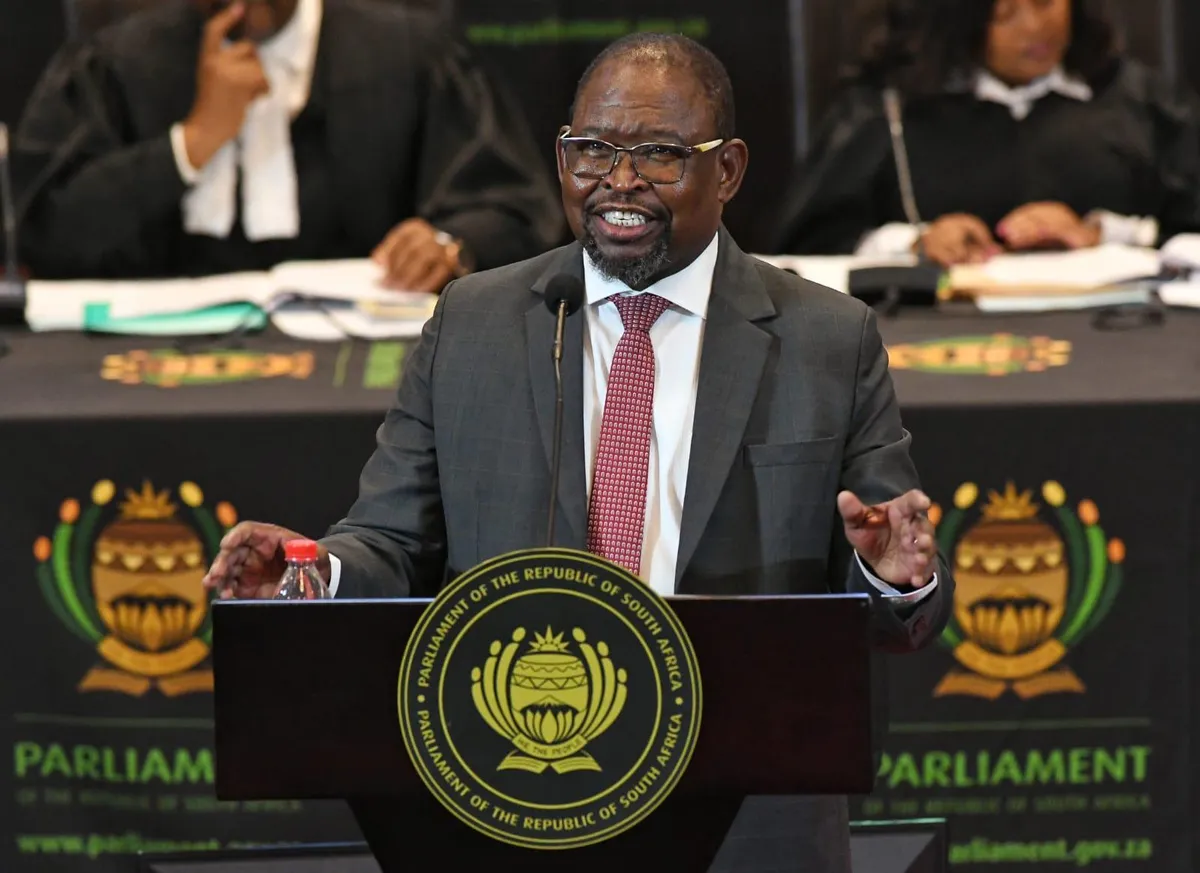
In response to the ongoing pressures from rising fuel prices, South African Finance Minister Enoch Godongwana has announced a temporary cut to the general fuel levy by R3 per litre. This measure aims to alleviate the financial burden on consumers who are facing increased costs due to escalating fuel prices, which have seen significant hikes in recent months.
As part of this announcement, it was revealed that the price of petrol is set to increase by R3.06 per litre, while diesel prices will rise by between R7.37 and R7.51 per litre. This adjustment comes at a time when consumers are already grappling with the dual pressures of rising fuel and electricity costs. The government anticipates that the relief measure will cost approximately R6 billion per month, highlighting the financial implications of this decision.
The fuel levy cut is a temporary response to the rising global oil prices, and the government plans to re-evaluate this relief measure on a monthly basis for the next two months. This approach reflects an effort to remain responsive to the fluctuating economic conditions and the impact on consumers. Consultations were held between the National Treasury and the Department of Mineral and Petroleum Resources prior to the announcement, indicating a collaborative approach to addressing the issue.
In a joint statement, Enoch Godongwana and Minister of Mineral Resources Gwede Mantashe emphasized that the relief measure is designed to be fiscally neutral. They assured that mechanisms would be implemented to recoup the foregone revenue within the fiscal framework approved during the 2026 Budget. This statement underscores the government’s commitment to maintaining fiscal responsibility while providing necessary support to households.
Industry leaders have expressed concern regarding the rising costs. Martlé Keyter, CEO of MISA’s operations, noted that “workers are being crushed between the rising cost of fuel and electricity,” highlighting the urgent need for relief measures. Additionally, the Congress of South African Trade Unions (Cosatu) has suggested that if the current geopolitical tensions and inflationary pressures continue, further relief measures may be necessary to support struggling households.
Observers are watching closely to see how the market will react to these changes. Henry van der Merwe, Chairperson of the South African Petroleum Retailers Association (SAPRA), stated that “the system is expected to stabilize once demand normalizes in the days following the price adjustment.” This indicates a cautious optimism that the market will adjust to the new pricing structure without significant disruption.
The government is also working on a broader package of measures to support households and key sectors of the economy, which may include additional initiatives beyond the fuel levy cut. This comprehensive approach aims to address the multifaceted challenges faced by consumers and the economy as a whole.
Historically, South Africa has taken measures to mitigate the impact of oil crises, such as restricting freeway speeds during the 1973–1974 oil crisis. The current fuel levy cut reflects a similar urgency to respond to economic pressures, aiming to provide immediate relief to consumers while balancing the fiscal implications for the government.