In recent years, Zambia has grappled with a significant electricity deficit, with the national peak demand for electricity reaching 2,400 megawatts, while only 1,040 megawatts of power is currently generated. This shortfall of 1,360 megawatts has left more than 50 percent of Zambians either underserved or living beyond the grid, particularly in rural areas where only 34% of homes have access to electricity.
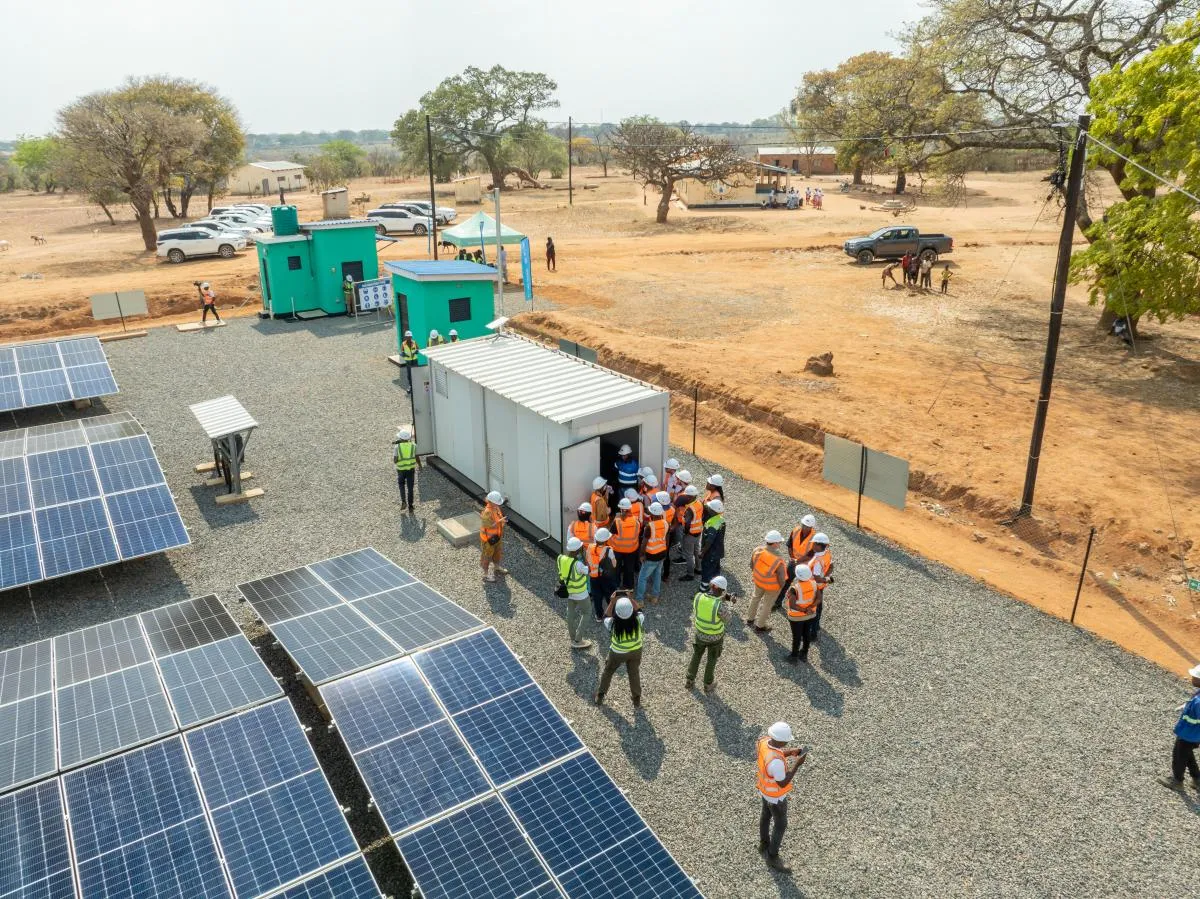
The situation has prompted organizations such as Sustainable Energy for All and The Global Energy Alliance for People and Planet Inc. to launch initiatives aimed at expanding electrification. One notable effort is the Powering 1000 Communities Initiative, which focuses on deploying solar mini-grids across rural Zambia. As of now, three private off-grid developers have been onboarded to install these systems in 43 rural communities, marking a decisive shift in addressing the energy access crisis.
Prior to these developments, the reliance on hydroelectric power, which meets over 80% of Zambia’s energy needs, left many rural communities without reliable electricity. The lack of access to energy has stifled socio-economic development, especially since 60% of Zambia’s population resides in rural areas.
With the introduction of solar mini-grids, customers supported under the Zambia Energy Development and Access Scale-Up Initiative (ZEDSI) are reportedly using nearly eight times more electricity than those without access to these systems. This increase underscores the potential of solar energy to transform local economies and improve living standards.
Anita Otubu, Senior Director at Universal Energy, emphasized the initiative’s broader goals, stating, “Our goal is to move beyond simply connecting communities to electricity. We are focused on building thriving local economies where energy is used productively to drive demand, strengthen businesses and make off-grid solutions financially sustainable for the long term.”
Despite these promising developments, challenges remain. Energy literacy is cited as a significant barrier to effective energy use in these communities. Experts highlight that insufficient understanding of energy options can hinder the successful implementation of new technologies.
As Zambia continues to navigate its energy landscape, the integration of solar solutions presents a critical opportunity to enhance electricity access and foster economic growth in underserved regions. The ongoing efforts by various organizations reflect a commitment to addressing the pressing energy needs of the population.
Details remain unconfirmed regarding the long-term sustainability of these initiatives and their impact on the overall energy landscape in Zambia. However, the shift towards solar energy marks a significant step in the right direction for the country’s energy future.