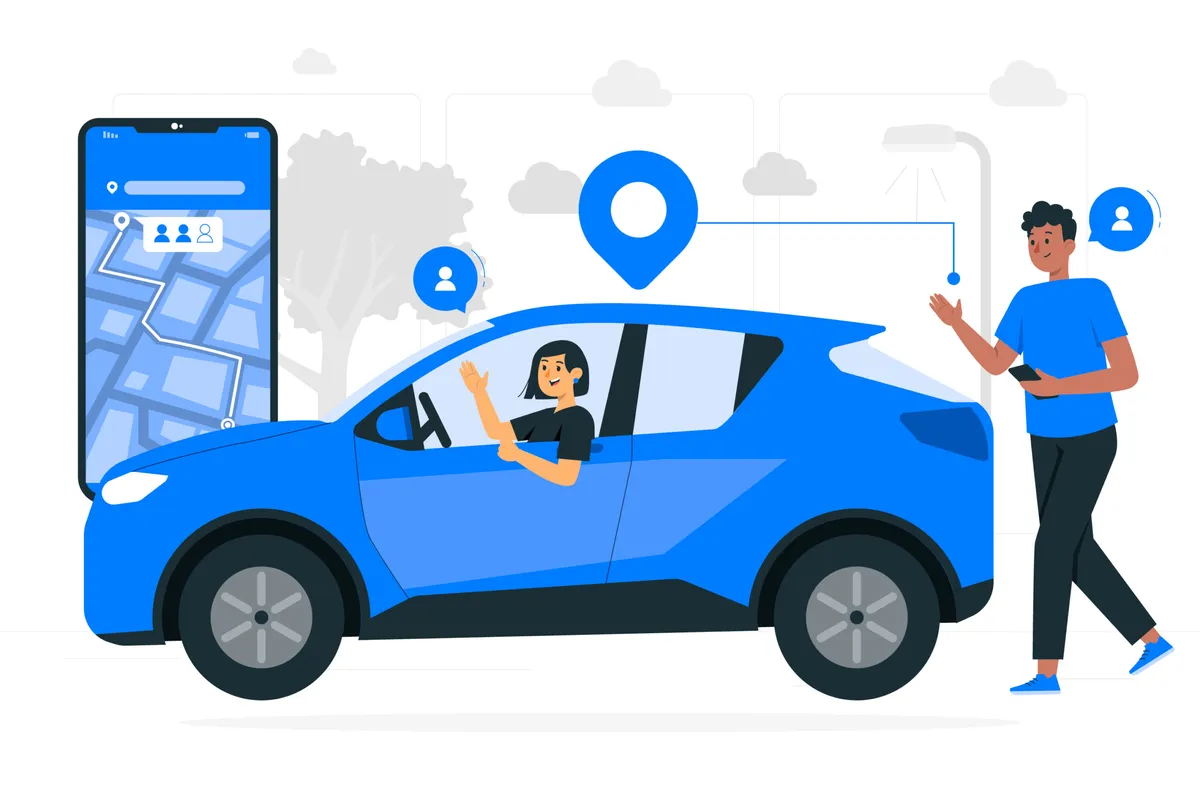
Before the recent developments in Johannesburg, the expectation for healthcare delivery was largely traditional, with patients relying on in-person visits to clinics and hospitals. However, Dr. Nkhensani Mukoki is now driving an innovative e-hailing program aimed at transforming this landscape.
On March 24, 2026, the decisive moment arrived when Mukoki announced that citizens would soon be able to book nurses through an app similar to Uber. This initiative marks a significant shift in how healthcare services are accessed, allowing nurses to make house calls facilitated by e-hailing drivers.
The immediate effects of this program are expected to be profound. Mukoki has already established 14 primary healthcare facilities and four pharmacies, demonstrating her commitment to improving healthcare access. With the new e-hailing service, she aims to assist mothers postpartum and with related wounds, addressing a critical need in the community.
Furthermore, Mukoki has received home-based care licenses in partnership with the Department of Health, which underscores the initiative’s legitimacy and potential for widespread adoption. She emphasized the importance of compliance in her program, stating, “Because if you don’t comply, you don’t know who is going to knock on your door, and tomorrow you are in trouble.” This highlights the regulatory challenges that may accompany the rollout.
In a related development, Moove, a company involved in the e-hailing sector, is exploring partnerships that are not direct competitors to Uber, which could enhance earning potential for drivers. Currently, Moove drivers are mandated to operate exclusively on the Uber app, but this may change as they look for new opportunities.
Moove is also beginning to pay drivers to brand their cars for advertisement, providing an additional revenue stream. Approximately 300 drivers in South Africa have already been onboarded for this branding opportunity, earning an additional 500 rand per month.
As the e-hailing nurse program progresses, it remains to be seen how quickly and effectively it will be implemented. Details remain unconfirmed, leaving many in the community eager for updates on this promising initiative.
Experts believe that this shift towards e-hailing in healthcare could set a precedent for similar programs in other regions, potentially revolutionizing how healthcare services are delivered. The integration of technology into healthcare is becoming increasingly vital, and initiatives like Mukoki’s may pave the way for future innovations.