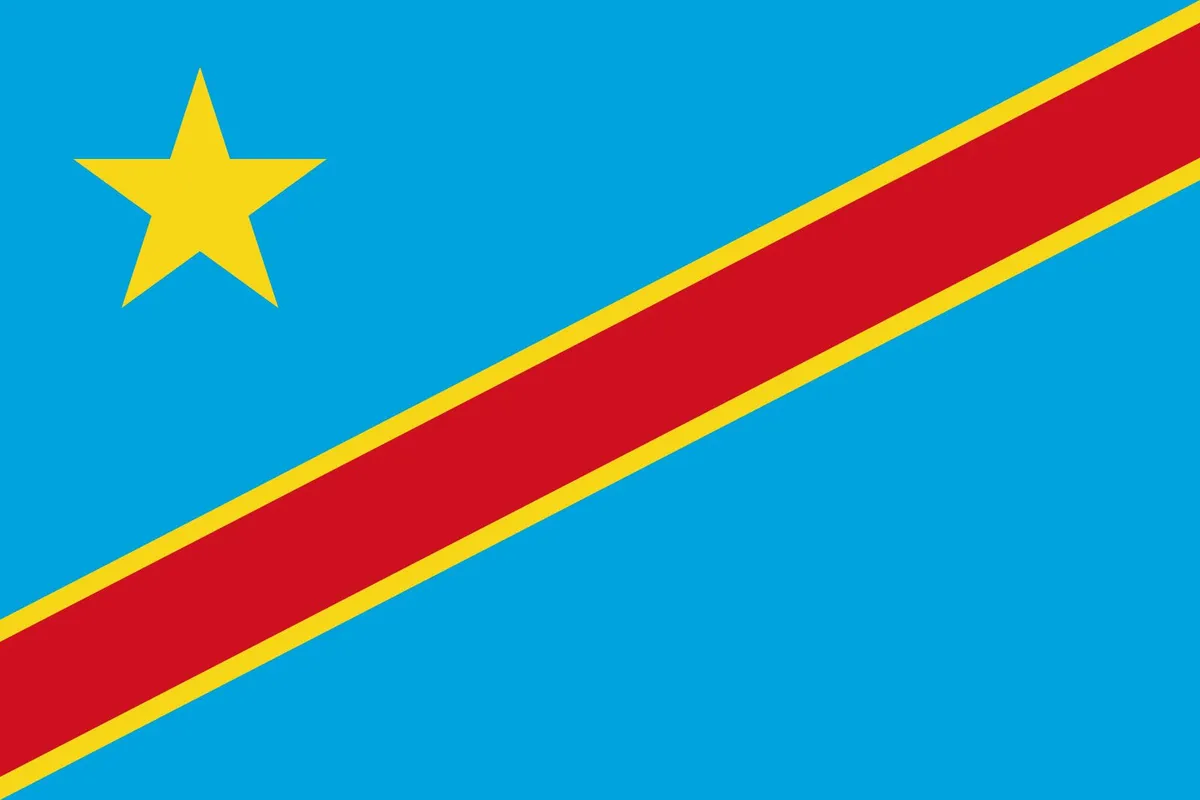
The recent sale of HEINEKEN’s shareholding in Bralima to ELNA Holdings Ltd. marks a significant shift in the beverage industry within the Democratic Republic of the Congo (DRC). This move is expected to have considerable implications for the local economy, particularly in terms of employment and brand management.
Bralima, which operates three breweries in Kinshasa, Kisangani, and Lubumbashi, employs approximately 731 people. The sale is part of HEINEKEN’s broader strategy to streamline its operations while retaining ownership of its global and regional brands in the DRC. Guillaume Duverdier, a representative from HEINEKEN, stated, “Bralima has a long and proud history in the Democratic Republic of Congo, built on the strength of its people and a portfolio of leading brands.” This transition aims to ensure that Bralima continues to thrive under new ownership.
In addition to the sale of Bralima, HEINEKEN transferred its brewery in Bukavu for a nominal fee of €1 to Synergy Ventures Holdings Ltd. This transfer was motivated by a humanitarian objective to safeguard jobs and livelihoods in the region. The decision reflects a commitment to supporting local communities amid changing business dynamics.
On another front, the DRC government has entered into a controversial agreement with the United States to accept deported foreigners. While the specifics of this deal remain unclear, it has raised concerns among human rights advocates. Human Rights Watch criticized the arrangement, stating, “The opaque deals were part of a US policy approach that violated international human rights law and is designed to instrumentalise human suffering as a deterrent to migration.” This sentiment underscores the complexities surrounding migration policies and their impact on vulnerable populations.
The DRC’s capital, Kinshasa, with a population of approximately 17 million, stands to be affected by both the economic changes stemming from the sale of Bralima and the social implications of the US deportation agreement. As the DRC navigates these developments, the potential for unrest or economic instability cannot be overlooked.
Details remain unconfirmed regarding how many third-country nationals will be accepted under the agreement with the US, leaving many questions unanswered about the future of migration and human rights in the DRC. The government’s lack of transparency in this matter has led to increased scrutiny from both domestic and international observers.
As the DRC continues to evolve politically and economically, the outcomes of these recent developments will be closely monitored. The interplay between corporate decisions, humanitarian objectives, and international agreements will shape the landscape of the DRC in the coming months.