Who is involved
Crimson Desert, developed by Pearl Abyss, has emerged as a notable title in the action RPG genre. Prior to its release, expectations were high, particularly given the studio’s previous success with Black Desert Online. Gamers anticipated a rich narrative experience complemented by engaging gameplay mechanics, typical of big-budget RPGs. However, the reality of the gameplay experience has revealed a more complex picture.
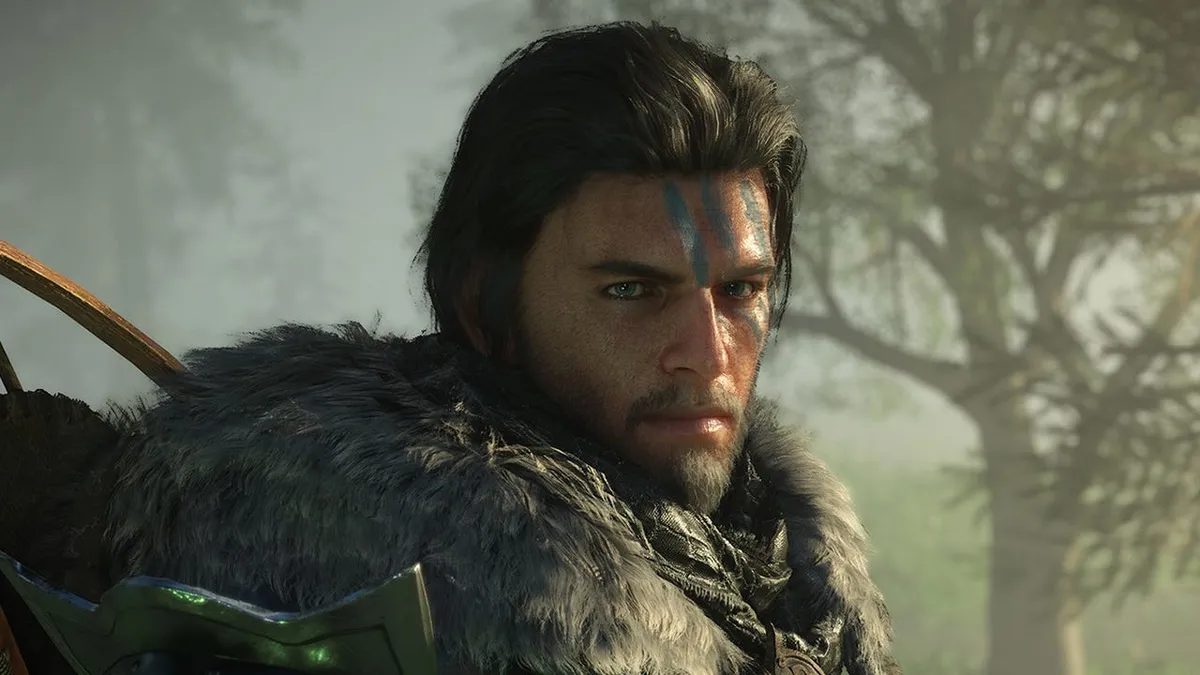
Upon release, players quickly noted that Crimson Desert combines elements from various big-budget action RPGs, offering a vast open world filled with activities such as arm wrestling, fishing, and gambling. The game features three playable characters, including Kliff, a viking-coded warrior, and promises over 110 hours of gameplay—a stark contrast to the typical 20 to 30 hours expected from story-based RPGs. This extensive playtime was initially seen as a positive aspect, suggesting depth and variety.
However, the decisive moment came when players began to experience the game’s numerous bugs and technical issues, including hard crashes and quest progression locks. These problems have overshadowed the otherwise praised graphics and performance, which run well even on lower-end PC setups. The mixed reception has led to a divided player base, with some enjoying the dynamic world and others frustrated by the gameplay’s inconsistencies.
The direct effects of these issues have been significant. Players have expressed disappointment over the lack of sufficient inventory space, which forces them to part with items, detracting from the immersive experience. Combat encounters, although designed to be thrilling with dozens of enemies, have been criticized for being lengthy and poorly balanced, leading to frustration among players. As one reviewer noted, “I love soulslikes and consider myself a tryhard who enjoys mastering perfect parry mechanics, and even with my background I found the vast majority of these boss fights to be unfun, poorly balanced, and downright annoying.”
Expert voices in the gaming community have weighed in on the situation, highlighting the disparity between the game’s ambitious design and its execution. While many agree that the world is filled with engaging activities, the narratives within have been described as “consistently bad.” This has led to a broader conversation about the importance of storytelling in RPGs, especially when players invest significant time into exploring a game’s universe.
As the community continues to navigate these challenges, the future of Crimson Desert remains uncertain. Players are eager to see how the developers will address the technical issues and whether improvements will enhance the overall experience. One player remarked, “It’s hard to imagine it’ll be able to squash them all anytime soon,” reflecting a sense of skepticism about the game’s trajectory.
In summary, while Crimson Desert gameplay offers a unique blend of features that could redefine the action RPG genre, it also faces significant hurdles that impact player satisfaction. The combination of enjoyable and frustrating elements complicates recommendations for potential players. As the game evolves, it will be crucial for Pearl Abyss to address these concerns to fulfill the high expectations set before its launch.