In recent years, the role of court clerks has been viewed as a position of trust within the legal system, responsible for managing court documents and assisting in the administration of justice. However, this perception has been severely challenged following the recent developments involving a court clerk in Gqeberha, South Africa. The expectation was that court clerks would uphold the integrity of the legal process, but the emergence of a fraud scheme has cast a shadow over this vital role.
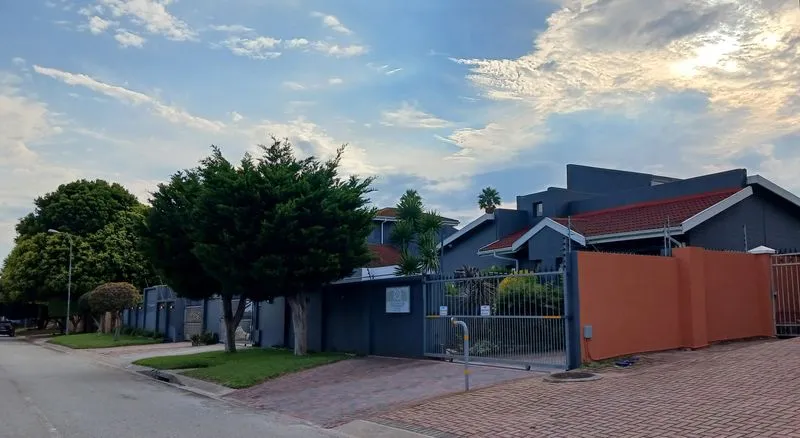
The decisive moment came when an investigation was launched after questionable travel vouchers were discovered on the desk of Ntombikayise Screech, a court clerk. This investigation revealed a shocking fraud racket involving over R4.7 million. It was uncovered that Screech, in collaboration with guesthouse owner Mari du Plessis, allegedly booked non-existent witnesses into a guesthouse, resulting in more than 100 fake bookings over a span of 17 months. The total amount received by Screech from the guesthouse for these fraudulent bookings was R2,167,500.
As the investigation progressed, it became evident that the fraudulent activities took place between May 2019 and October 2020, coinciding with the Covid-19 lockdown period when travel restrictions were in effect. The implications of this scheme are profound, not only for the individuals involved but also for the integrity of the judicial system. Screech and Du Plessis now face a staggering 183 charges, including fraud and money laundering, which highlights the severity of their actions.
The Asset Forfeiture Unit has taken significant action by freezing R8.5 million worth of assets linked to the accused, sending a clear message that crime will not be tolerated. Barry Madolo, an expert in legal affairs, commented, “The freezing of assets sends a strong message that crime will not be rewarded.” This statement underscores the importance of accountability in the legal system and the need for rigorous enforcement against corruption.
Furthermore, the investigation revealed that 151 travel vouchers were found, with Screech’s phone numbers appearing on 115 of them. Additionally, there were 121 payments made into Screech’s account, raising further questions about the oversight mechanisms in place within the court system. The sheer scale of the fraud raises concerns about how such activities could go undetected for an extended period.
The fallout from this case is likely to have lasting effects on the trust placed in court clerks and the broader judicial system. The public’s confidence in the integrity of legal proceedings may be shaken, prompting calls for reforms to prevent similar incidents in the future. The Department of Justice and Constitutional Development may need to review its protocols and implement stricter oversight measures to safeguard against corruption.
As this case unfolds, it serves as a stark reminder of the vulnerabilities within the legal system and the potential for abuse of power. Details remain unconfirmed regarding the full extent of the investigation and any additional individuals who may be implicated. The outcome of this case will be closely monitored as it progresses through the legal system, with implications for both the accused and the integrity of the judicial process in South Africa.