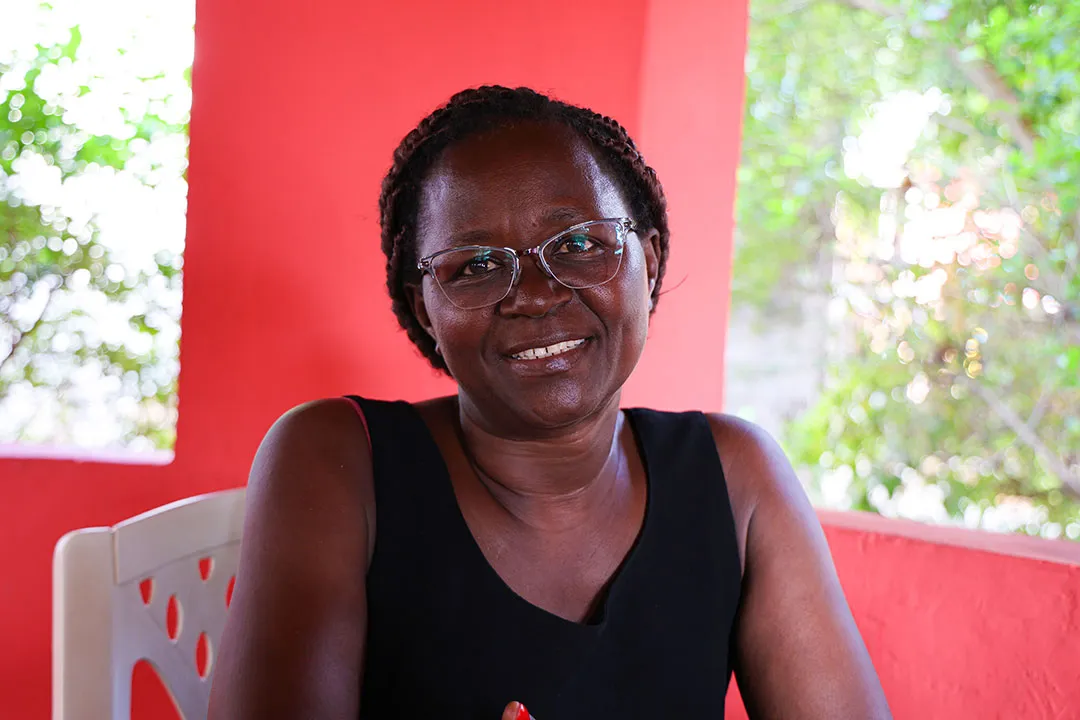
“I advise all women to get vaccinated against HPV… take this advantage before it’s too late, and conduct annual cervical cancer screening,” said Irakoze Gratia, a cervical cancer survivor who underwent treatment in Rwanda and India. Her call to action comes as Burundi prepares to roll out the HPV vaccine to adolescent girls aged 9 to 14, a critical step in combating cervical cancer, which claims the lives of over 1,100 women in the country each year.
The HPV virus is extremely common and is responsible for the overwhelming majority of cervical cancer cases. The introduction of the vaccine, which will be provided free of charge, aims to significantly reduce the incidence of this preventable disease. Health officials emphasize the importance of early vaccination and regular screenings, recommending that women between the ages of 25 and 65 undergo cervical cancer screening.
Dr. Ndayikunda Innocent, a healthcare professional in Burundi, noted, “The problem of women here, is that most of them come for consultation in critical conditions and when it’s already late.” This highlights the urgent need for preventive measures, such as vaccination and regular screenings, to catch the disease in its early stages when treatment is more effective.
According to World Health Organization guidelines, 70% of women should be screened by age 35 and again by age 45. However, many women in Burundi face barriers to accessing healthcare, which can delay diagnosis and treatment. The HPV vaccination initiative is expected to empower young girls and their families to take proactive steps in preventing cervical cancer.
In addition to the HPV vaccine rollout, research is ongoing into other forms of cancer treatment. Lobular breast cancer, which accounts for 15 out of every 100 breast cancers, is currently being addressed through clinical trials of a LOX inhibitor drug. Professor Cathrin Brisken remarked, “Lobular breast cancer has historically been neglected,” indicating a need for increased attention and resources for this type of cancer.
As Burundi embarks on this vaccination campaign, the hope is that it will not only save lives but also raise awareness about the importance of regular health screenings. The initiative is part of a broader effort to improve women’s health and reduce the burden of cancer in the region.
With the HPV vaccine set to be administered soon, many are looking forward to the potential impact it could have on public health in Burundi. The collaboration between local health authorities and international organizations, such as The Institute of Cancer Research, will be crucial in ensuring the success of this program and addressing the ongoing challenges posed by cancer.