Recent Market Movements
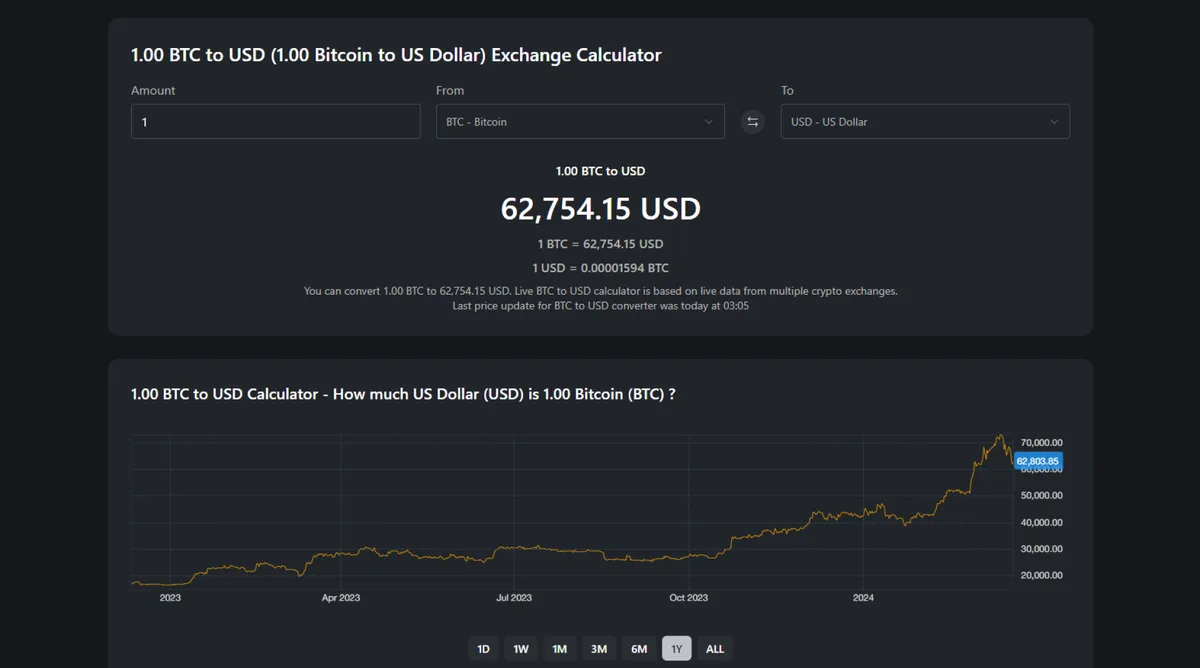
Bitcoin slid as much as 2% to $65,500 during early Asia trading on Monday, reflecting the ongoing volatility in the cryptocurrency market. This drop highlights the sensitivity of Bitcoin to market sentiment, particularly as it is often considered a risk asset that tends to suffer during periods of risk-off sentiment.
Recovery Efforts
However, the decline was short-lived as bargain hunters stepped in, pushing Bitcoin back above $67,500 within hours. As of Monday, the cryptocurrency was trading at approximately $66,300, indicating a slight recovery from its earlier lows. This rapid rebound underscores the dynamic nature of Bitcoin trading, where investor sentiment can quickly shift.
Technical Indicators
Despite the recent recovery, Bitcoin remains well below the 50- and 100-day Exponential Moving Averages (EMAs), which are often used by traders to gauge market trends. The immediate support for Bitcoin aligns with the channel floor near $65,100, suggesting that this level may serve as a critical point for traders in the coming days.
Bearish Sentiment
Market analysts note that a sustained move below $60,000 would confirm an extension of the prevailing bearish phase for Bitcoin. Currently, the cryptocurrency faces rejection from the 50-day EMA, which could indicate further challenges ahead if the price fails to gain momentum.
Broader Market Context
The fluctuations in Bitcoin’s price come amid broader market trends, including Brent crude touching $120 a barrel for the first time since June 2022. Such developments in the commodities market can influence investor behavior in cryptocurrencies, as rising oil prices often lead to increased caution among investors.
As Bitcoin continues to navigate these fluctuations, traders and investors are closely monitoring key price levels. The price area around $70,000 remains a significant threshold that Bitcoin has struggled to sustain above, raising questions about its ability to regain previous highs.
Details remain unconfirmed regarding the future trajectory of Bitcoin’s price. As market conditions evolve, the cryptocurrency’s performance will likely continue to be influenced by both internal dynamics and external economic factors.