The US-Israeli war on Iran has entered its third week, marking a significant escalation in tensions that have been building for years. This conflict has drawn international attention, particularly due to its implications for global energy markets and geopolitical stability. The situation has evolved rapidly, with both military actions and economic repercussions becoming increasingly pronounced.
In a recent statement, Iran’s Foreign Minister Abbas Araghchi declared that Iran is prepared to take the war “as far as necessary.” This assertion underscores Iran’s commitment to its military objectives and signals a potential for further escalation in the conflict. The Iranian government has been adamant about its stance, indicating that it will not back down in the face of external pressures.
The economic fallout from the war has been significant. Oil prices have surged, with Brent crude now priced at $106 per barrel, reflecting a more than 40% increase from $72 per barrel just weeks ago. This spike in oil prices is attributed to fears over supply disruptions and the ongoing military actions in the region. Additionally, liquefied natural gas (LNG) prices have risen by almost 60% since the onset of the conflict, further straining global energy supplies.
The impact of the war extends beyond energy prices. Global stock markets have experienced a notable downturn, with an overall decrease of 5.5% since the conflict began. Asian markets have been particularly hard hit, reflecting investor concerns about the stability of the region. For instance, the Tadawul All-Share Index in Saudi Arabia has fallen by 9.6% since February 28, while India’s Nifty50 index has seen a 7% decline during the same period.
In a related development, QatarEnergy suspended its LNG production following an Iranian drone attack on March 2, exacerbating the supply issues in the energy market. This incident highlights the direct impact of the conflict on energy infrastructure and production capabilities in the region.
Countries around the world are feeling the effects of rising fuel prices, with Cambodia reporting the highest petrol price increase of nearly 68% since February 28. This surge in prices is likely to have broader economic implications, particularly for countries heavily reliant on imported energy.
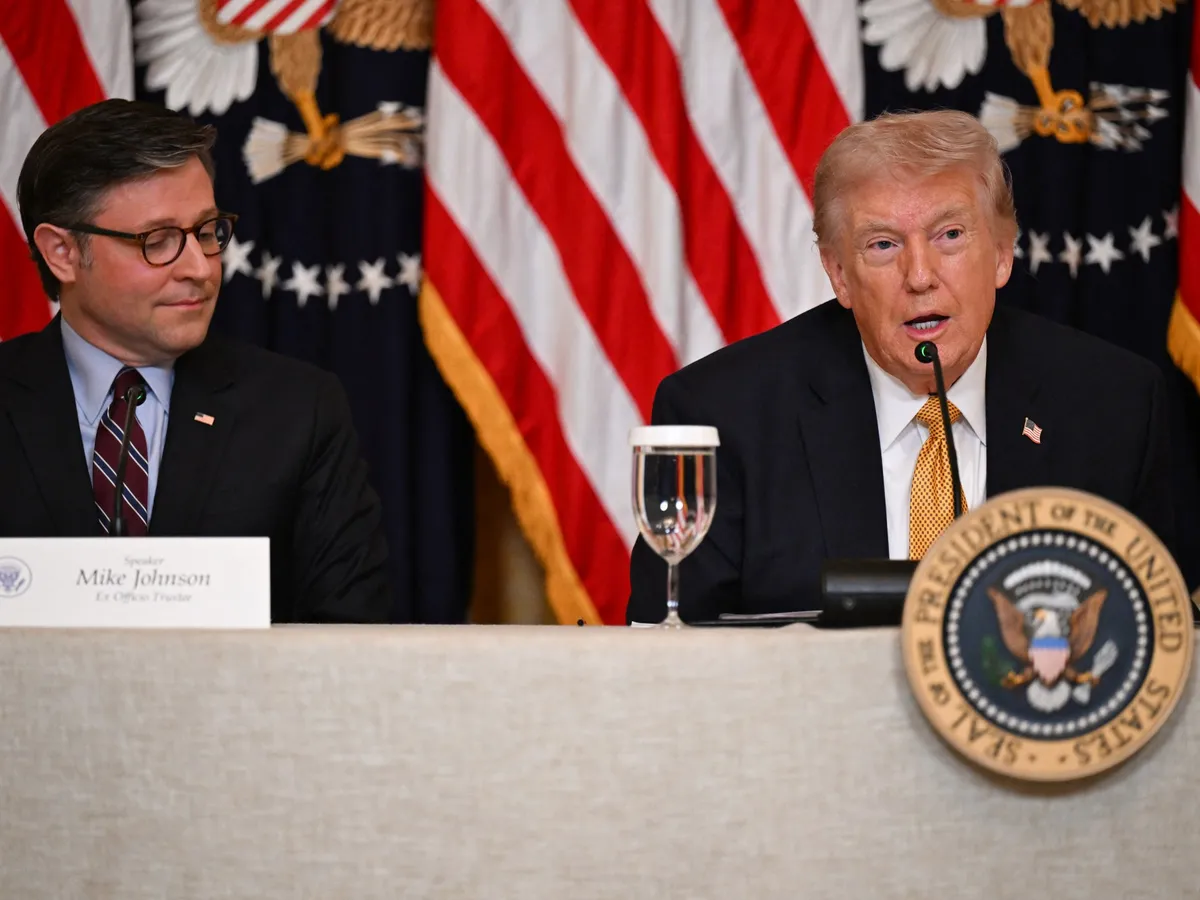
As the situation unfolds, observers are closely monitoring the potential for further military involvement from other nations. Former President Donald Trump noted that “numerous countries have told me they’re on the way,” suggesting a possible coalition forming in response to the conflict. However, details remain unconfirmed regarding which countries may join this naval coalition.
Looking ahead, analysts are divided on the potential outcomes of the war. Neil Shearing, an economist, stated that if the conflict is short-lived, oil and LNG prices could fall back sharply. Conversely, Muyu Xu warned that the economic impact of the Strait of Hormuz closure is only beginning to emerge, indicating that the ramifications of this conflict may be felt for some time to come.