How it unfolded
On March 13, 2026, health authorities in Kent reported a concerning outbreak of Meningococcal disease, specifically linked to the Meningococcal strain B. As of this date, at least 13 cases had been confirmed, with the outbreak traced back to visits at Club Chemistry in Canterbury between March 5 and 7. This alarming situation escalated quickly, resulting in two fatalities.
By March 16, the number of identified cases had risen to 15, with four confirmed as Meningococcal B infections. All affected individuals were hospitalized, highlighting the severity of the outbreak. Gayatri Amirthalingam, a health official, confirmed the strain responsible for the outbreak, stating, “We are able to say this morning that we have now identified from some of the testing that it seems to be the group B meningococcal strain that is causing the outbreak in Kent.”
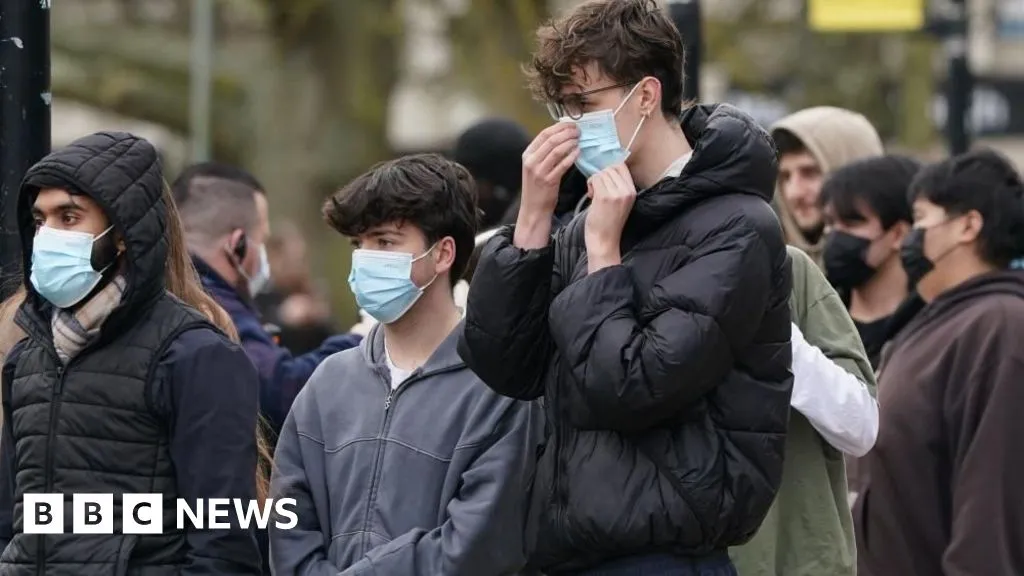
The outbreak has raised significant concern among the local population, particularly among the 16,000 staff and students at the University of Kent, who have been advised to be vigilant. Additionally, an estimated 2,000 visitors frequented Club Chemistry during the outbreak period, prompting health officials to urge anyone who visited the venue on the specified dates to seek preventive antibiotic treatment.
In response to the rising cases, the UK Health Security Agency (UKHSA) has opened two sites in Kent for the public to collect antibiotics. This move aims to mitigate the spread of the disease and provide immediate assistance to those potentially exposed. Furthermore, pharmacies across the region have reported a surge in demand for private meningitis B vaccinations, with supplies running low. The cost for a full two-dose course of this vaccination is approximately £200, with some pharmacies like Boots charging around £220.
Health experts have emphasized the importance of vaccination, particularly since the meningococcal vaccine covering four strains (A, C, W, Y) was introduced for teenagers at ages 13 or 14. However, individuals born before 2015 are not protected against meningitis B unless they have received private vaccinations. Dr. Leyla Hannbeck voiced her concerns, stating, “Worried families must not be left to a lottery. The NHS needs to step in and commission a national pharmacy-led catchup programme now.”
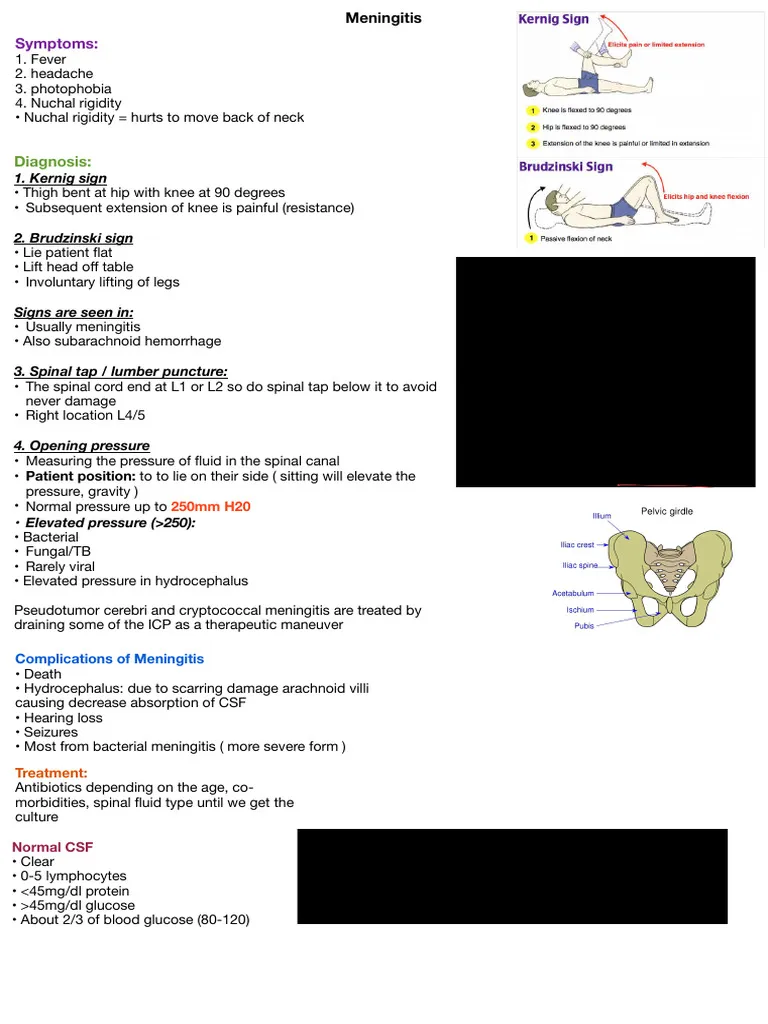
As the situation develops, health officials continue to monitor the outbreak closely. Symptoms of meningitis include high fever, severe headache, stiff neck, and a rash that does not fade, which are critical for individuals to recognize. Amirthalingam reassured the public, saying, “If you are a university student and you’ve been offered antibiotics, or anyone else who’s been offered antibiotics, please take that immediately and it will be absolutely fine for you to return home.”
The outbreak in Kent serves as a stark reminder of the importance of vaccination and public health preparedness. As authorities work to contain the spread of Meningococcal disease, the community is urged to remain vigilant and proactive in seeking medical advice and treatment.