What the data shows
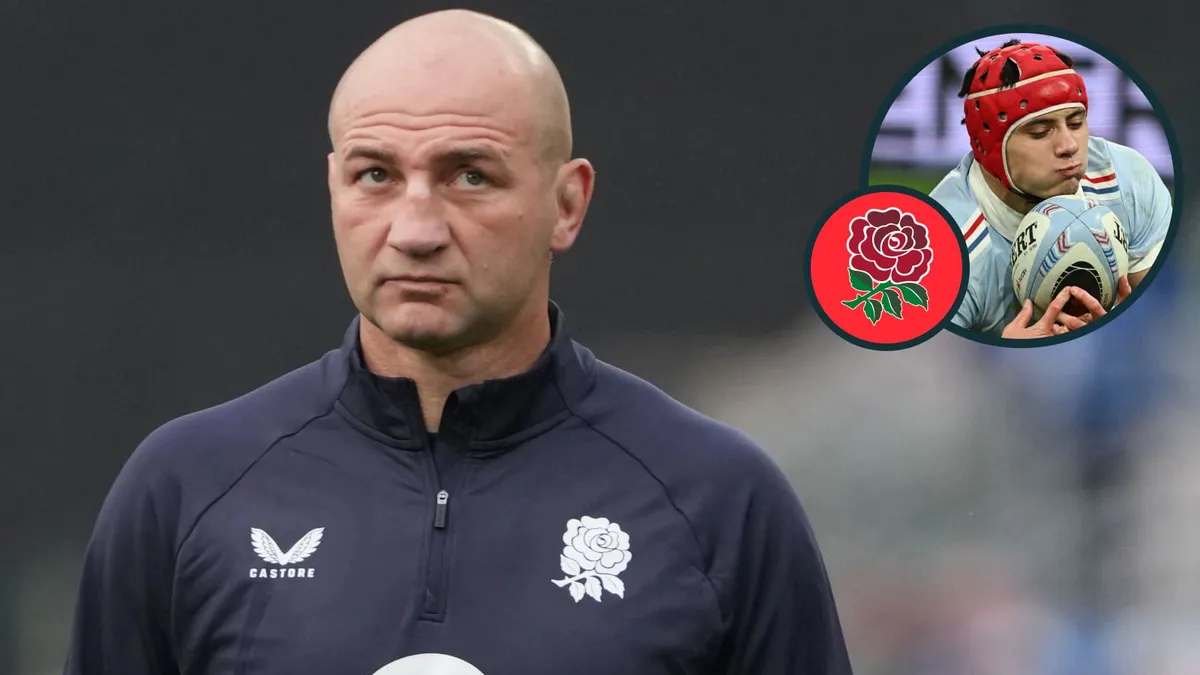
What happens when officiating errors impact the outcome of a high-stakes match? This question has arisen following England’s narrow 48-46 defeat to France, a game that has sparked significant debate over the quality of officiating in rugby. Steve Borthwick, the head coach of England, has urged World Rugby to address controversial officiating decisions that he believes played a critical role in the match’s outcome.
During the match, Borthwick expressed his confusion regarding a penalty awarded against England’s Ellis Genge, stating, “I thought that one against Ellis to give a penalty try — I don’t follow it. I’ll ask for it to be explained to me.” This sentiment reflects a growing frustration among players and coaches regarding the consistency and clarity of officiating in rugby.
Adding to the controversy, World Rugby recently admitted to a key error in a previous match involving England, specifically concerning Henry Arundell’s sin-binning. This admission raises concerns about the potential impact of such errors on the integrity of the game. In the same vein, England’s match against France was marred by officiating decisions that left many questioning the fairness of the outcome.
In the context of the Six Nations finale, England’s performance has been scrutinized not only for officiating but also for individual mistakes and poor discipline. For instance, Henry Arundell received a second yellow card, leading to a red card in the Calcutta Cup clash against Scotland, where England lost 31-20. Such disciplinary issues have compounded the challenges faced by the team.
In football, similar concerns have emerged, particularly among Chelsea fans who expressed frustration over their team’s performance against Newcastle. A mental error by player Fofana contributed to a goal scored by Newcastle, highlighting that mistakes can be costly in any sport. Nick Verlaney, a commentator, criticized the team’s focus, stating, “They’re focused on the dumbest stuff. The man marking, the missed assignment for Fofana leaves Reece and Trev in a terrible position.”
As the sports community grapples with these issues, the implications of officiating errors extend beyond individual matches. They raise questions about how governing bodies like World Rugby will address these challenges moving forward. The recent admission of error by World Rugby suggests a recognition of the need for improvement, but the path forward remains uncertain.
Details remain unconfirmed regarding any potential changes to officiating protocols or training that may arise from these incidents. However, the ongoing dialogue surrounding officiating standards is likely to continue as teams and fans alike seek accountability and clarity in the decision-making processes that govern the sport.