A meningitis outbreak in Kent, UK, has raised significant public health concerns as the UK Health Security Agency confirmed 13 cases of invasive meningococcal disease. This alarming situation has resulted in the tragic deaths of two young individuals: a year 13 school pupil and a university student.
As of now, at least 11 people are reported to be seriously ill and hospitalized due to the infection. The outbreak has prompted health officials to contact more than 30,000 individuals in the region surrounding the University of Kent, urging them to be vigilant about symptoms and seek medical attention if necessary.
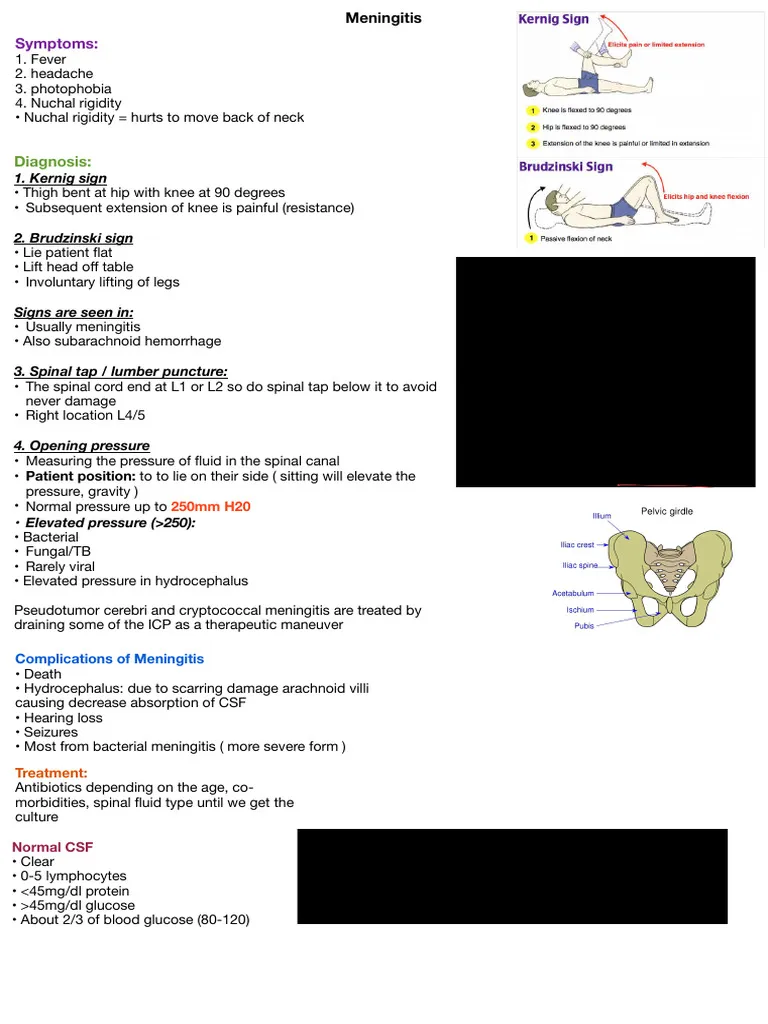
Meningococcal disease, caused by the bacteria Neisseria meningitidis, spreads through close contact with respiratory droplets. Early symptoms can include fever, severe headache, and a stiff neck, making prompt recognition and treatment crucial. Public health advice emphasizes, “If symptoms are worrying or escalating, seek medical help immediately.”
Vaccination remains a key strategy in combating the spread of meningitis. The MenACWY vaccine, which protects against four common meningococcal groups, is typically offered in schools, while the MenB vaccine is administered to infants and is available privately for teenagers and adults. However, vaccination rates among adolescents for the MenACWY vaccine currently stand at approximately 73%.
Dr. Zina Alfahl noted that the bacteria are often carried harmlessly in the throat, particularly among teenagers and young adults, which underscores the importance of awareness and vaccination. The health community stresses that acting quickly is vital, as bacterial meningitis requires immediate treatment with antibiotics.
As the situation develops, health officials continue to monitor the outbreak closely. Details remain unconfirmed regarding the specific strain of meningitis involved in this outbreak, adding an element of uncertainty to the ongoing public health response.
In summary, this meningitis outbreak in Kent highlights the critical need for vaccination and early recognition of symptoms to prevent further cases and protect the community.