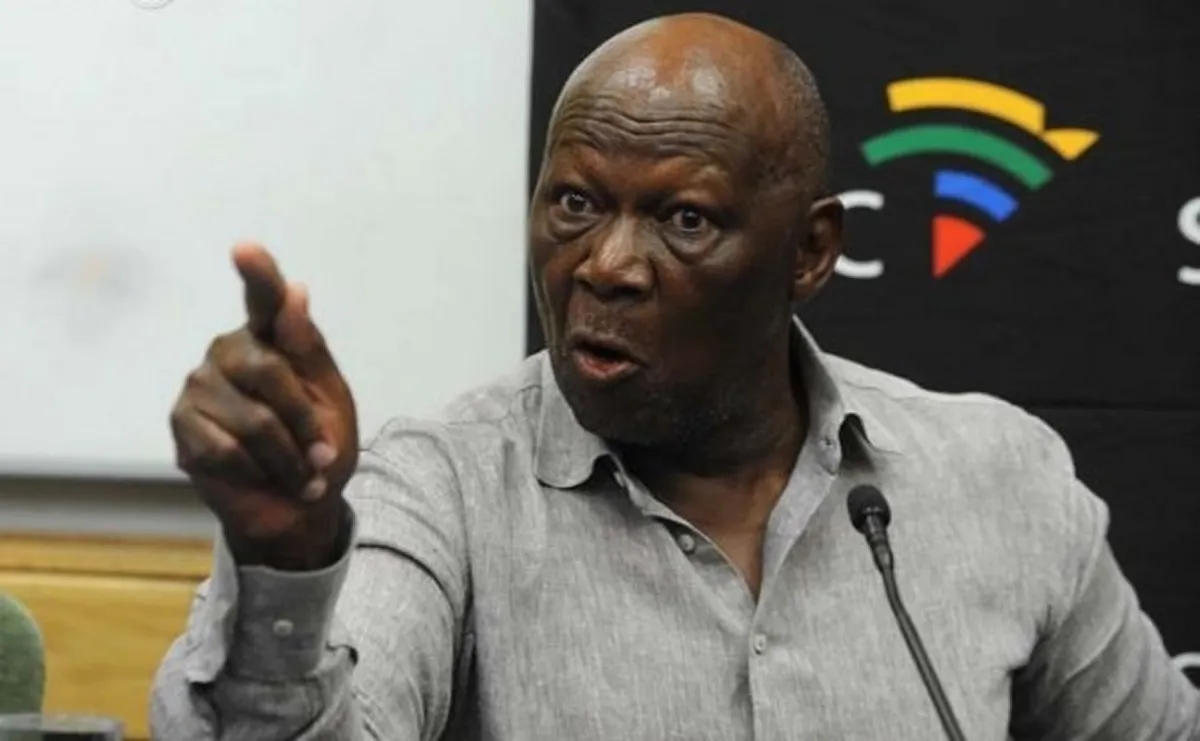
In a significant development from 2014, Mfundi Vundla, the producer of the popular South African soap opera Generations, fired 16 actors after they went on strike over unpaid royalties. The incident, which unfolded after the actors demanded that Vundla advocate for their rights regarding royalties, escalated tensions within the production.
The actors had expressed their frustration over unpaid royalties and sought longer contracts, but Vundla refused to support their demands. He clarified that royalties are the responsibility of the broadcaster, SABC, stating, “Royalties are paid by the broadcaster, number one. I don’t own the show. It’s owned by the broadcaster.” This assertion highlighted the complex relationship between the producers and the broadcasting entity.
Vundla viewed the strike as a breach of contract, leading him to issue a four-day ultimatum for the actors to return to work. The actors, including notable names such as Anga Makubalo, Atandwa Kani, and Patrick Shai, released a joint statement indicating that their demands had not been met, and they were essentially in the same position as before the strike.
Reflecting on the situation, Vundla expressed his deep emotional connection to Generations, stating, “I created a show which I was extremely proud of. And I said, nobody’s going to mess with my dream. You don’t mess with my dream.” His remarks underscored the personal stakes involved in the production.
The actors’ strike was not an isolated incident; it was part of a broader context of labor disputes within the South African entertainment industry. The ongoing struggle for fair compensation and treatment has been a recurring theme, with many artists advocating for better working conditions.
As the situation unfolded, the lack of resolution left many actors disillusioned. One actor remarked, “Nothing has been resolved. We came back to work after the first strike in good faith, on the understanding that all the issues that we’d brought up would be addressed by the SABC by this past March – a date that they set.” This sentiment reflects the ongoing challenges faced by performers in the industry.
Details remain unconfirmed regarding any potential resolutions or changes following the firings, but the incident remains a pivotal moment in the history of South African television.