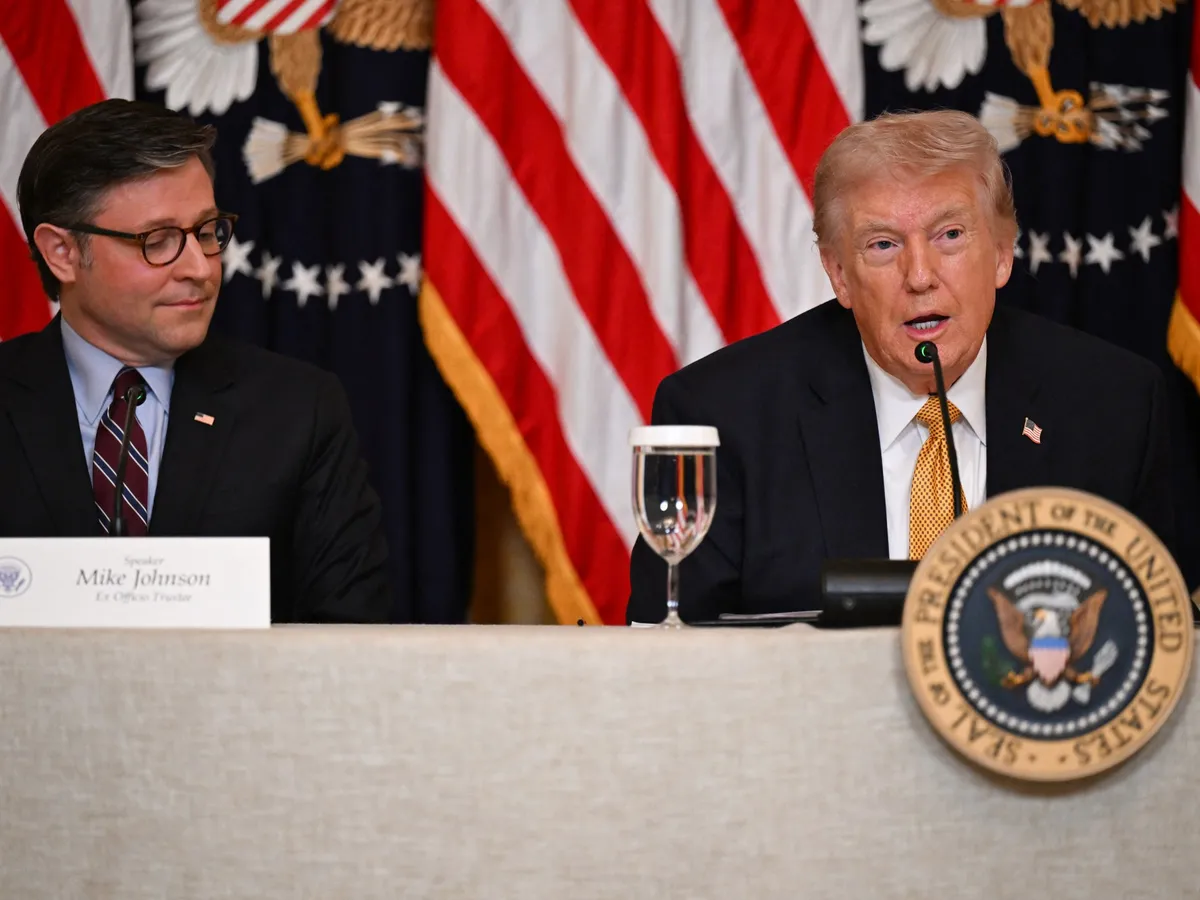
“Numerous countries have told me they’re on the way. Some are very enthusiastic about it, and some aren’t,” stated Donald Trump regarding the potential formation of a naval coalition aimed at securing the Strait of Hormuz.
The Strait of Hormuz is a critical maritime passage, with about 20 to 30 percent of global oil consumption traveling through it. Trump’s comments come amid heightened tensions following the US-Israel war that began on February 28, which has significantly impacted regional stability.
Trump identified key nations, including China, France, Japan, South Korea, and the United Kingdom, as potential members of the coalition. However, as of now, no country has officially confirmed its participation.
In a notable response, several countries, including Australia, Japan, Poland, Sweden, and Spain, have declared they will not send military ships to the region. German Defence Minister Boris Pistorius also confirmed that Germany would not participate militarily.
The conflict has taken a toll on Iran, with Trump claiming that over 100 Iranian naval vessels have been sunk or destroyed since the war’s onset. He also reported a 90 percent reduction in Iran’s ballistic missile launches and a 95 percent drop in drone attacks.
Amid these developments, the United Nations refugee agency has reported that approximately 3.2 million people have been displaced within Iran due to the ongoing fighting. The humanitarian crisis is exacerbated by the conflict’s impact on global oil prices, which have surged by 40 to 50 percent amid Iranian attacks on ships in the Strait.
As the situation evolves, at least 1,444 people have been killed in Iran, with additional casualties reported across the Gulf and in Israel. Thirteen US soldiers have also lost their lives since the conflict began.
Abbas Araghchi, an Iranian official, remarked, “By now they have… understood what kind of nation they are dealing with, one that does not hesitate to defend itself and is ready to continue the war wherever it may lead, and take it as far as necessary.” This statement underscores the ongoing volatility in the region.
Details remain unconfirmed regarding the exact countries that may join the coalition, and the overall impact of the US-Israel war on global oil prices and consumption remains uncertain.