Background on the Van Allen Probes
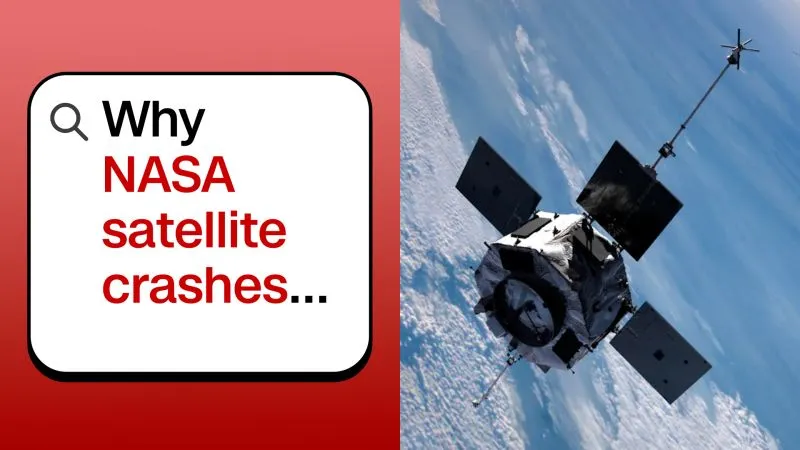
The Van Allen Probes were designed to explore the radiation zones trapped by Earth’s magnetic field. Launched in 2012, the satellite was expected to operate for two years but remarkably lasted seven years before running out of fuel in 2019.
On March 12, 2026, at 6:37 a.m. ET, the Van Allen Probe A reentered the atmosphere. NASA had originally predicted that the satellite would fall back to Earth in 2032, but increased solar activity led to an earlier reentry.
The reentry coordinates were approximately 2 degrees south latitude and 255.3 degrees east longitude, over the eastern Pacific Ocean. NASA estimated a 1 in 4,200 chance of any wreckage causing human harm during the reentry.
NASA’s Statements
NASA stated that most of the spacecraft likely burned up as it sped downward through the atmosphere, although some components may have survived. The descent was described as a “runaway train” barreling through the Earth’s atmosphere, indicating that the satellite’s descent could not be steered.
NASA reassured the public, emphasizing that “the risk to people on the ground is extremely small.” This statement reflects the agency’s ongoing commitment to ensuring public safety in the event of satellite reentries.
What Happens Next?
Observers and officials will continue to monitor the situation and assess any potential debris that may have survived the reentry. Details remain unconfirmed regarding the exact fate of any remaining components of the satellite.