Background and Initial Expectations
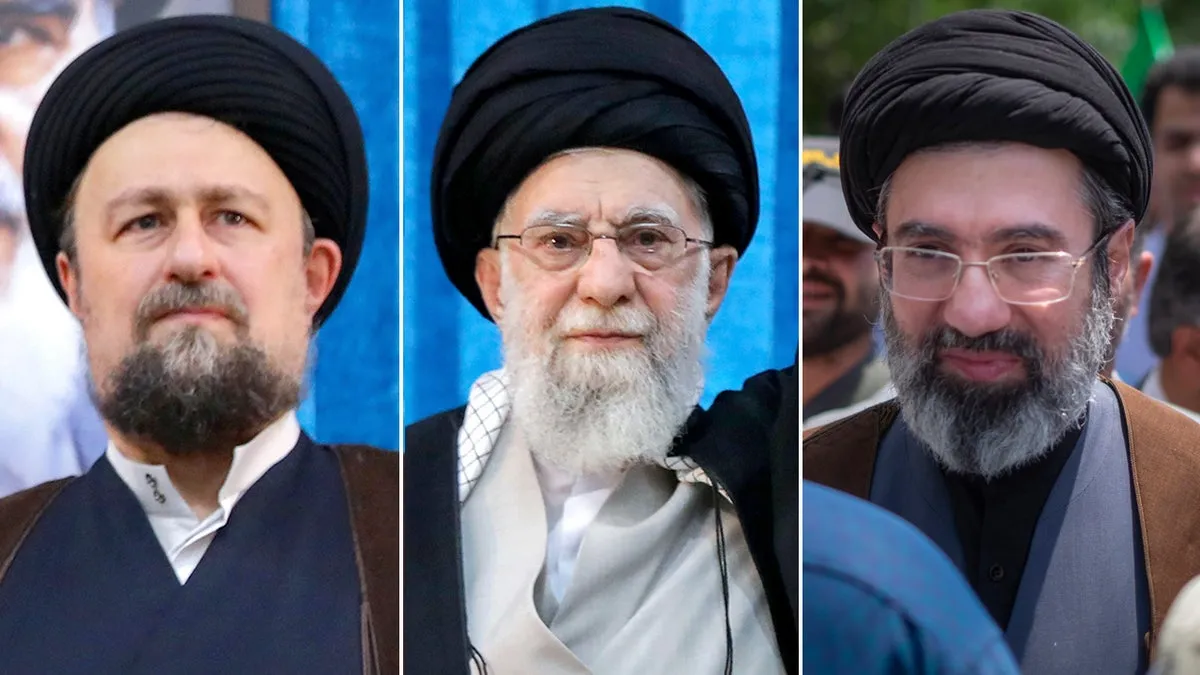
Mojtaba Khamenei, who was recently elevated to the position of supreme leader following the death of his father, Ali Khamenei, had been anticipated to solidify his power and lead Iran through a tumultuous period. His ascension was marked by expectations of continuity in leadership style and policy, particularly in the face of ongoing tensions with the West. However, the sudden and tragic events of February 28, 2026, have dramatically altered the political landscape in Iran.
The Decisive Moment
On that day, an airstrike struck Tehran, resulting in the death of Mojtaba’s father and five other family members. Reports indicate that the attack occurred on the first day of US-led airstrikes against Iran, a significant escalation in military tensions. Mojtaba Khamenei sustained injuries, including a fractured foot and facial lacerations, with his condition described as not critical by some officials. However, the attack left the entire supreme leader’s office destroyed, marking a pivotal moment in Iranian history.
Immediate Effects on the Parties Involved
The immediate aftermath of the airstrike has raised numerous questions regarding the stability of Iran’s leadership. Mojtaba Khamenei, aged 56, has not been seen in public since his appointment, and the Iranian government has not released any images or statements regarding his condition. Opposition groups have claimed that he is in a coma and being treated in secrecy, further fueling speculation about the future of Iran’s leadership.
Expert Perspectives
Experts have weighed in on the implications of this incident. Alireza Salarian remarked, “I don’t think he is comfortable [in any condition] to give a speech,” highlighting concerns about Khamenei’s ability to lead effectively in his current state. Meanwhile, Ali Larijani noted that Khamenei’s condition has not been reported as critical, suggesting a possibility for recovery. However, the lack of transparency from the Iranian government has left many in the dark.
Broader Implications
The attack not only resulted in personal tragedy for Mojtaba Khamenei but also poses significant risks for Iran’s political stability. The death of six family members, including his wife and son, has left a profound impact on the Khamenei family. Additionally, the ongoing conflict has an estimated death toll of 1,400, indicating the severe human cost of the war in Iran.
Public Reaction and Future Outlook
The public’s reaction to the airstrike and its aftermath has been mixed. Some citizens express concern over the potential power vacuum that could arise if Mojtaba Khamenei is unable to assume his role effectively. An Iranian journalist stated, “Iran’s leader can lead without appearing in public. There is no need for him to be on the street or in a religious centre,” suggesting that the leadership may adapt to the circumstances. However, the uncertainties surrounding Khamenei’s health and the future of Iran’s governance remain palpable.
As the situation continues to develop, details remain unconfirmed regarding the full extent of Khamenei’s injuries and his recovery timeline. The events of February 28 have not only reshaped the Khamenei family’s future but also the political landscape of Iran, leaving many to ponder the implications for the nation moving forward.