Mojtaba Khamenei Appointed as Supreme Leader
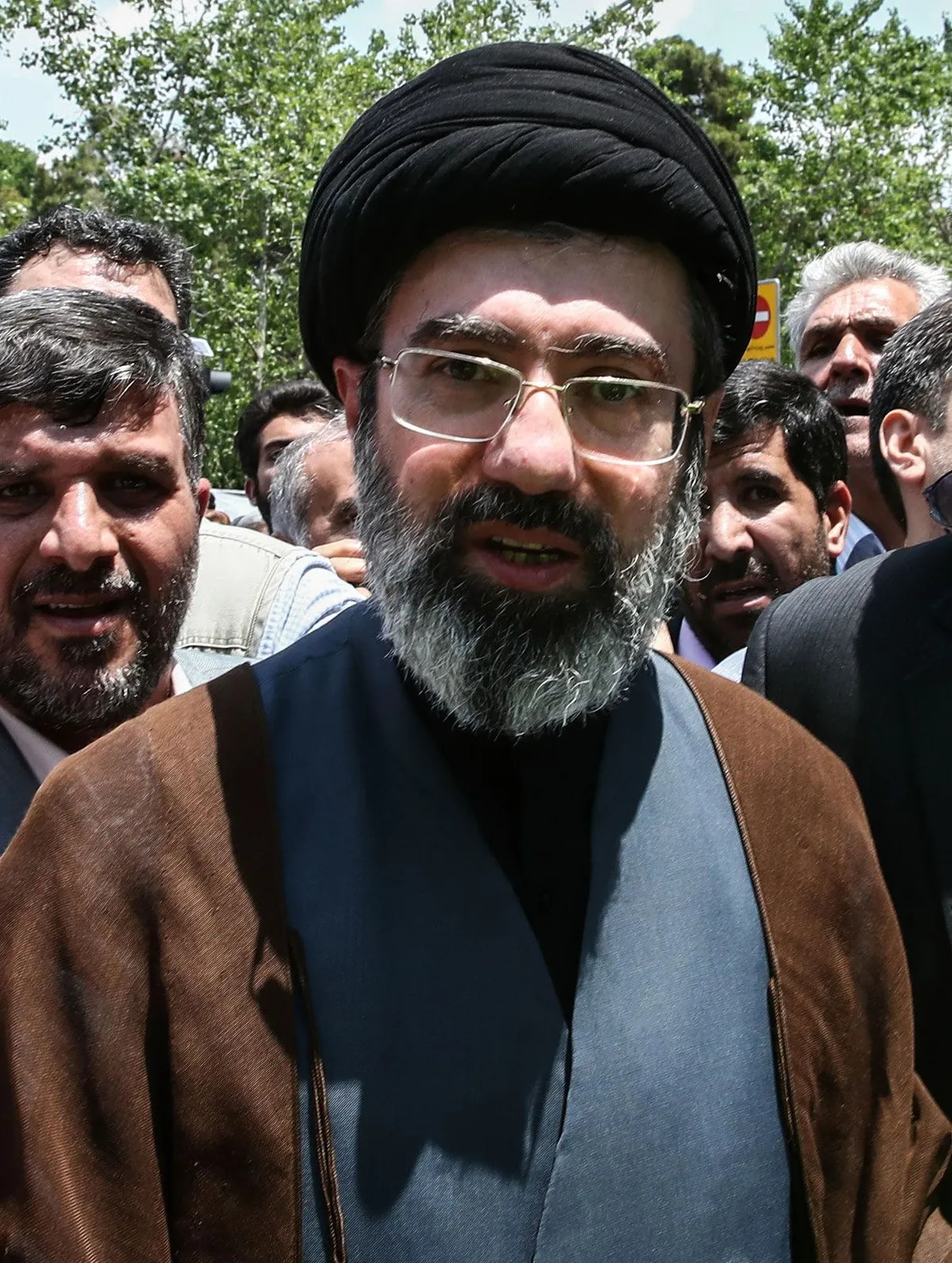
Mojtaba Khamenei, aged 56, has been appointed as Iran’s new supreme leader by the Assembly of Experts, following the death of his father, Ayatollah Ali Khamenei, in U.S.-Israeli strikes. This significant transition in leadership comes at a time of heightened tensions in the region, with various international actors closely monitoring the developments.
As the second son of the late supreme leader, Mojtaba Khamenei has never held a formal position in government prior to this appointment. His strong ties with the Islamic Revolutionary Guard Corps (IRGC) suggest a continuation of the military’s influence in Iranian politics. Observers note that his ascent to power may further solidify the IRGC’s role within the Iranian political landscape.
The circumstances surrounding his father’s death have added a layer of complexity to Mojtaba’s leadership. Reports indicate that his wife, mother, sister, and brother-in-law were also killed in the same strikes that claimed Ayatollah Ali Khamenei’s life. This tragic loss may shape Mojtaba’s approach to governance and his interactions with both domestic and international stakeholders.
International reactions to Mojtaba Khamenei’s appointment have been swift. Iraqi Prime Minister Mohammed Shia al-Sudani expressed confidence in the new leadership, stating, “We express our confidence in the ability of the new leadership in the Islamic Republic of Iran to manage this sensitive stage, and continue to strengthen the unity of the Iranian people in facing the current challenges.” Meanwhile, U.S. President Donald Trump criticized Khamenei, labeling him a ‘lightweight’, reflecting ongoing tensions between Iran and the United States.
Israel’s military has threatened to target any successor to the late Ali Khamenei, branding Mojtaba a ‘tyrant’. This statement underscores the precarious nature of regional security and the potential for escalated conflict. In contrast, Russian President Vladimir Putin pledged “unwavering support” for Iran, signaling a potential strengthening of ties between the two nations under Mojtaba’s leadership.
China’s Foreign Ministry also weighed in, asserting that Iran’s decision to appoint Khamenei was based on its constitution and emphasizing the importance of respecting Iran’s sovereignty. This statement aligns with China’s broader foreign policy stance of non-interference in the internal affairs of other nations.
Historically, Mojtaba Khamenei has been accused of amassing power and influencing Iranian affairs from behind the scenes, raising questions about how his leadership will differ from that of his father. As the nation navigates this transition, the implications for both domestic policy and international relations remain to be seen.
Details remain unconfirmed regarding the full impact of Mojtaba Khamenei’s leadership on Iran’s foreign policy and its relationships with neighboring countries, including Oman and Iraq, as well as global powers like the United States, Israel, Russia, and China. Observers are keenly watching how these dynamics will unfold in the coming months.