Rev. Jesse Jackson Passes Away
Rev. Jesse Jackson died on February 17, 2026, at the age of 85, marking the end of a remarkable life dedicated to civil rights and social justice. His passing has resonated deeply, particularly as it coincides with the 50th commemoration of the 1976 youth uprising in South Africa, a struggle he passionately supported throughout his career.
Jackson’s influence extended beyond the United States; he was a prominent figure in the Southern Christian Leadership Conference (SCLC) since 1964 and launched the Rainbow Coalition in 1984. His presidential campaigns in 1984 and 1988 were pivotal in paving the way for future leaders, including Barack Obama, who became the first African American president.
His commitment to justice was evident in his campaigns advocating for disinvestment from the apartheid economy in South Africa. Cyril Ramaphosa, who attended Jackson’s funeral in Chicago, remarked, “Rev. Jesse Jackson’s irrepressible campaigns against apartheid and his support for the liberation struggle was a towering contribution to the global anti-apartheid cause.”
Jackson’s activism was rooted in his upbringing under Jim Crow segregation laws, which shaped his worldview and commitment to fighting for equality. He was present in Memphis during the assassination of Martin Luther King Jr. in 1968, an event that profoundly impacted his life and mission.
In addition to his work in civil rights, Jackson was a steadfast supporter of the Palestinian struggle for self-determination, demonstrating his belief in global solidarity. His life represented a commitment to justice that resonated with many around the world.
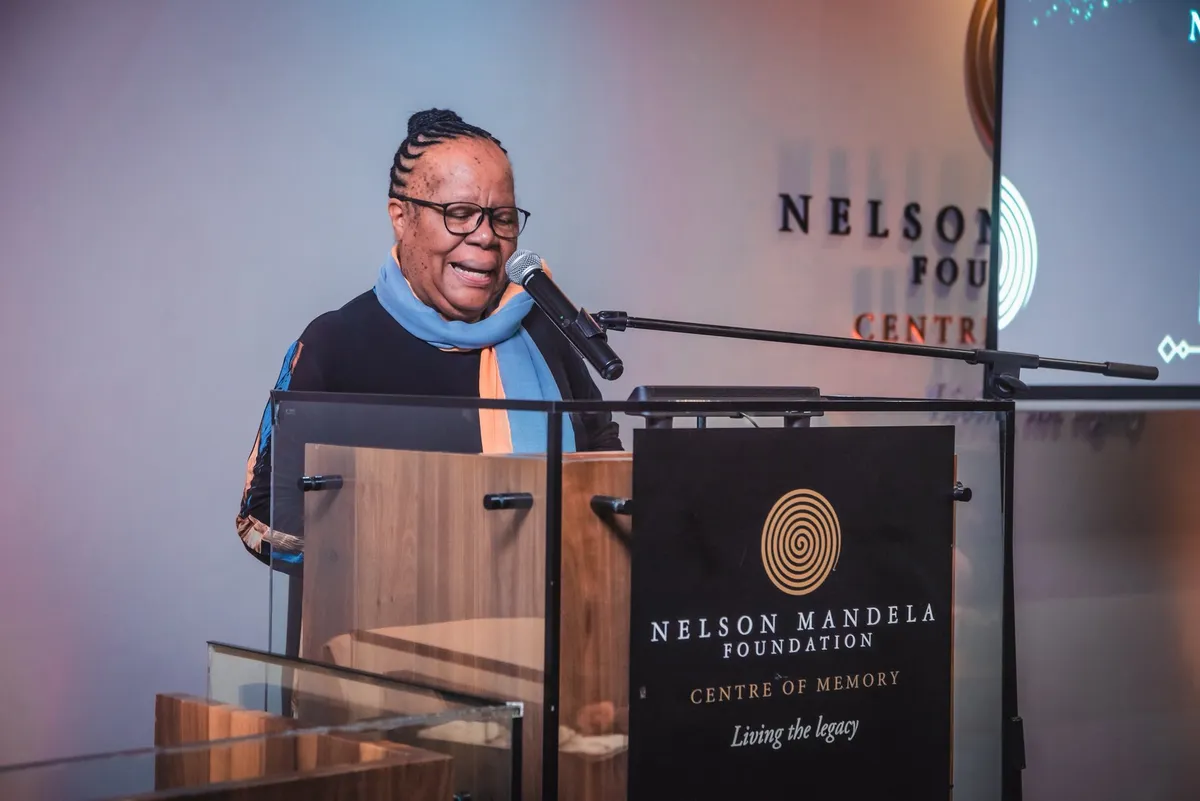
The Nelson Mandela Foundation hosted a memorial tribute for Jackson, highlighting his enduring legacy. Mbongiseni Buthelezi stated, “Reverend Jackson was a towering figure in the global struggle for civil rights and a steadfast supporter of South Africa’s liberation movement.”
As the world reflects on Jackson’s contributions, the impact of his work continues to inspire new generations of activists. Barbara Masekela emphasized, “So solidarity is a legacy which we have inherited and which we must continue to strengthen and build, not only for ourselves but for generations to come.”
Jackson’s death comes at a time of heightened tensions globally, with reports indicating significant casualties in ongoing conflicts, including 1,332 people reportedly killed in the US-Israel war with Iran and 120 in Lebanon since last week.
Nomvula Mokonyane encapsulated the sentiment of many by stating, “We want to celebrate the life of a fighter, who never stayed silent when people were hurting.” Jackson’s legacy will undoubtedly continue to influence the fight for justice and equality in the years to come.