Rev. Jesse Jackson’s Legacy
Rev. Jesse Jackson died on February 17, 2026, at the age of 85, marking a profound loss for the civil rights movement and the global struggle against apartheid. His passing coincided with the 50th commemoration of the 1976 youth uprising in South Africa, a poignant reminder of his lifelong commitment to justice and solidarity.
Jackson was a prominent figure in the Southern Christian Leadership Conference (SCLC) from 1964 and launched the Rainbow Coalition in 1984, running for the Democratic Party’s presidential nomination in both 1984 and 1988. His campaigns were instrumental in advocating for disinvestment from the apartheid economy and supporting the Palestinian struggle for self-determination.
His influence extended beyond the United States; in 2013, Jackson was awarded South Africa’s National Order of the Companions of O.R. Tambo in Silver, recognizing his contributions to the anti-apartheid movement. Cyril Ramaphosa, the President of South Africa, attended Jackson’s funeral in Chicago and remarked, “Rev. Jesse Jackson’s irrepressible campaigns against apartheid and his support for the liberation struggle was a towering contribution to the global anti-apartheid cause.”
Jackson’s life was intertwined with significant historical moments, including being present in Memphis when Martin Luther King Jr. was assassinated in 1968. As a protégé of King, Jackson carried forward the legacy of civil rights activism, which paved the way for future leaders, including Barack Obama, whose election as the first African American president was made possible in part by Jackson’s earlier presidential campaigns.
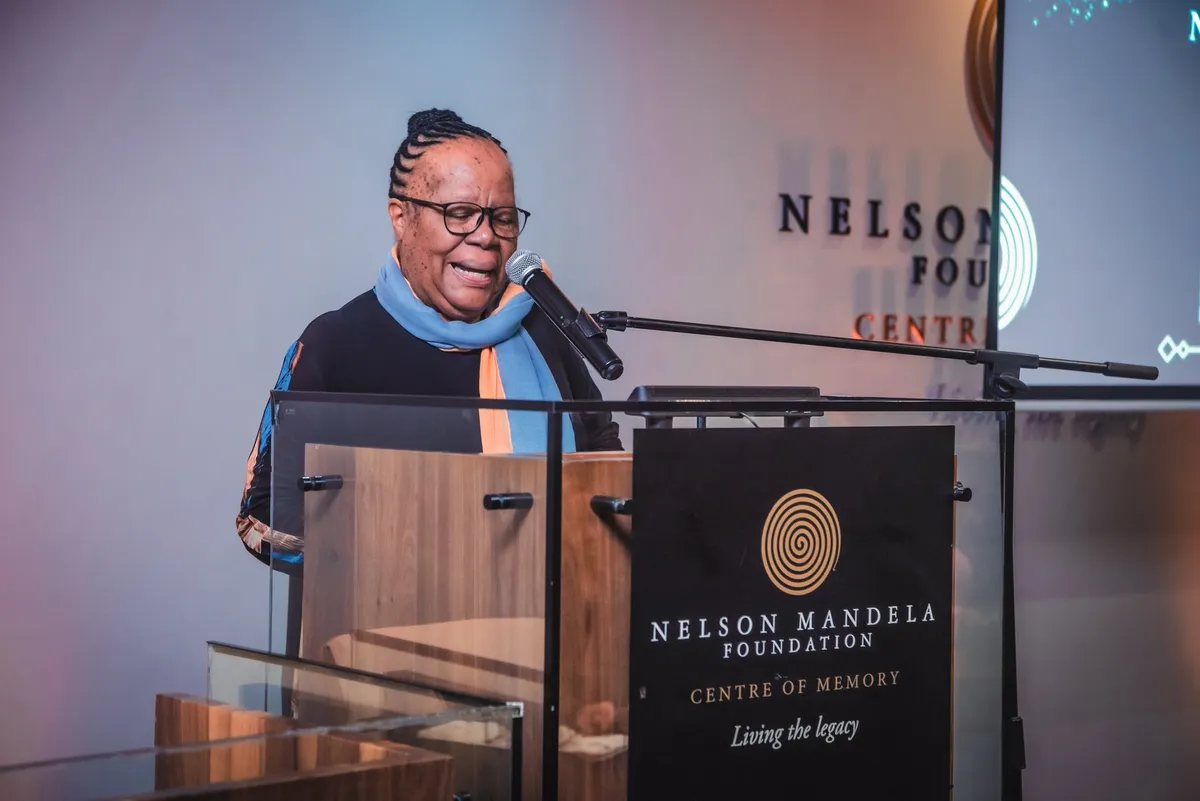
Mbongiseni Buthelezi, a prominent South African leader, stated, “Reverend Jackson was a towering figure in the global struggle for civil rights and a steadfast supporter of South Africa’s liberation movement.” This sentiment was echoed by Naledi Pandor, who emphasized the need for continued activism, saying, “We recognise that the globe is confronted by deeply complex and dangerous circumstances which will require men, women, and youth who will make good trouble as Nelson Mandela once called for.”
Barbara Masekela highlighted the importance of Jackson’s legacy, stating, “So solidarity is a legacy which we have inherited and which we must continue to strengthen and build, not only for ourselves but for generations to come.” Jackson’s life and work were deeply connected to the civil rights movement in the United States and the struggle against Apartheid in South Africa.
As the world reflects on Jackson’s contributions, the impact of his work remains evident in ongoing struggles for justice and equality. Details remain unconfirmed regarding future memorials or tributes planned in his honor.