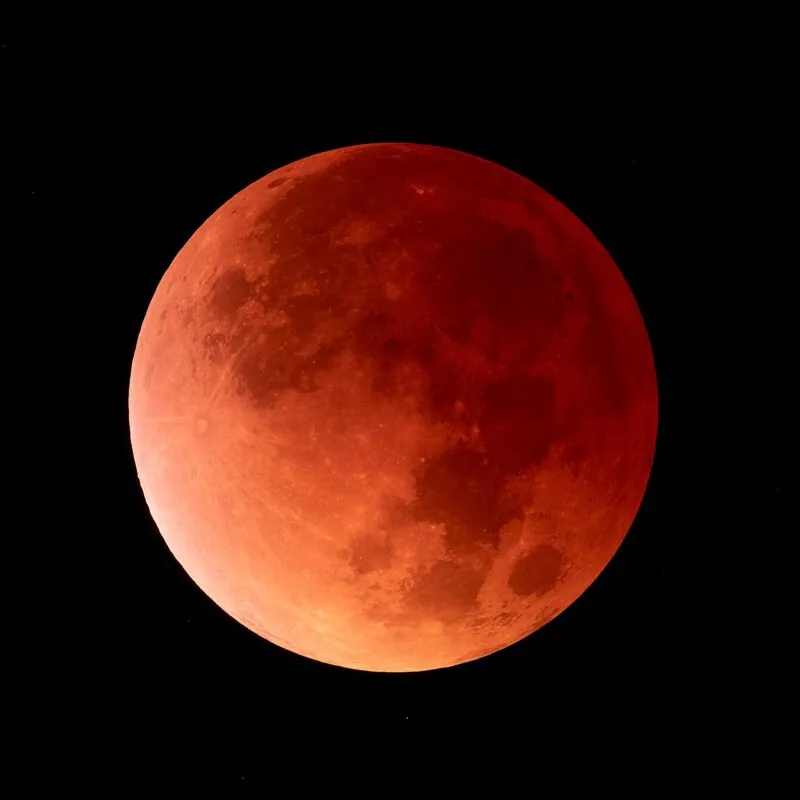
A Total Lunar Eclipse on March 3, 2026
Total lunar eclipses are fascinating astronomical events that tend to occur in batches of three. The upcoming total lunar eclipse on March 2-3, 2026, is particularly noteworthy as it will result in a blood moon, a phenomenon characterized by the moon turning a reddish color during the eclipse. This event is significant as it will be the last total lunar eclipse until December 31, 2028.
The eclipse will begin at 3:44 a.m. ET, with the moon entering the Earth’s umbra at 4:50 a.m. ET. Observers will witness the peak of totality at 6:33 a.m. ET, when the moon is expected to display its most vivid red hue. The full moon will reach peak illumination just a few minutes later at 6:38 a.m. ET, creating a stunning visual spectacle for those in the right viewing locations.
While the eclipse will be visible in North America, East Asia, Australia, and New Zealand, it will not be seen in the UK, Europe, or Africa. This restriction in visibility has prompted excitement among astronomers and skywatchers in the regions where the eclipse will be observable. As one observer noted, “A total lunar eclipse lit up the sky this morning. See the stunning Blood Moon in all its glory!”
The reddish color of the blood moon is caused by sunlight refracted by the Earth’s atmosphere, which scatters shorter wavelengths of light and allows longer wavelengths, such as red, to reach the moon. This phenomenon is not only visually striking but also serves as a reminder of the intricate interactions between celestial bodies and our planet.
The eclipse will conclude at 9:23 a.m. ET, marking the end of this celestial event. For many, this will be a once-in-a-lifetime opportunity, as another total lunar eclipse will not occur until New Year’s Eve in 2028. As one expert remarked, “If you miss this one, you won’t get another opportunity to see a total lunar eclipse until New Year’s Eve in 2028.”
As the date approaches, astronomers and enthusiasts alike are preparing for the event, eager to capture the beauty of the blood moon. The anticipation surrounding this eclipse highlights the enduring fascination with lunar phenomena and their significance in both scientific and cultural contexts.
In summary, the total lunar eclipse on March 2-3, 2026, promises to be a remarkable event for those fortunate enough to witness it. With the next total lunar eclipse not scheduled until 2028, observers are encouraged to take advantage of this unique opportunity to experience the beauty of a blood moon.