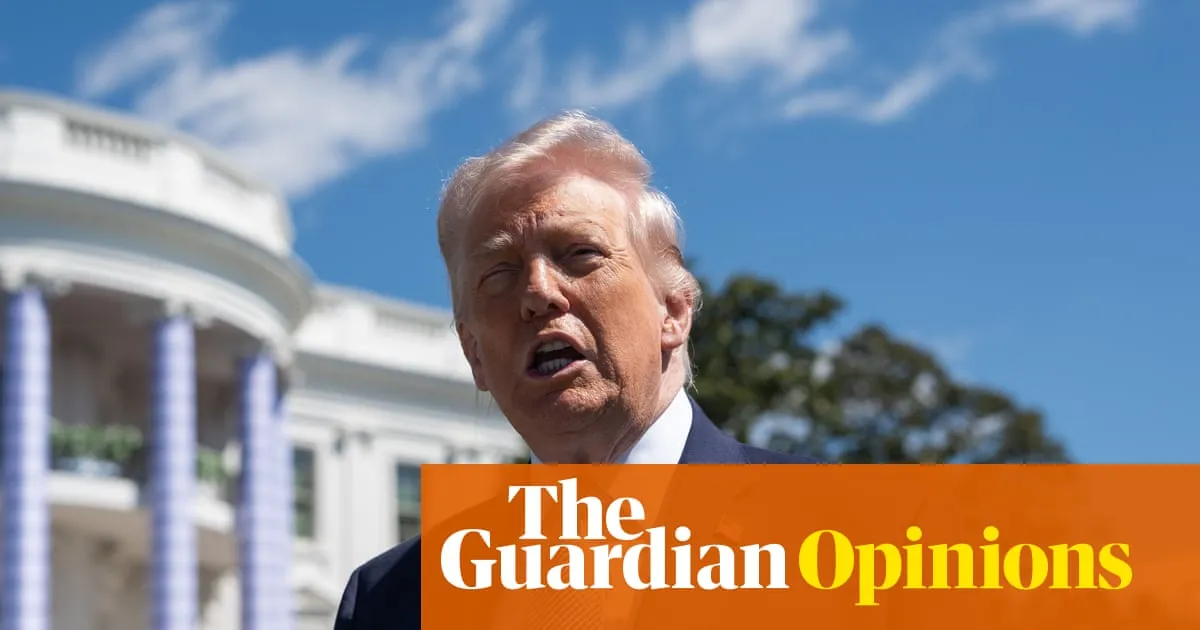
“If I were in Trump’s cabinet, I would spend Easter calling constitutional lawyers about the 25th amendment. This is completely, utterly unhinged,” stated Senator Chris Murphy, reflecting the growing concern among lawmakers regarding President Donald Trump’s recent rhetoric.
The political climate has intensified following Trump’s threats against Iran, where he ominously declared, “A whole civilization will die tonight, never to be brought back again.” This statement has prompted a surge in calls for the invocation of the 25th Amendment, which provides a mechanism for high-level officials to remove a president from office if deemed unfit.
The 25th Amendment, ratified in 1967, allows the vice president and a majority of the Cabinet to declare a president unable to discharge the powers and duties of his office. In this case, the vice president would assume authority immediately upon such a declaration.
Lawmakers have described Trump’s rhetoric as “completely unhinged” and “threatening mass killings and war crimes,” particularly in light of the recent military escalations following the offensive launched by the US and Israel against Iran on February 28.
Melanie Stansbury, a member of Congress, echoed these sentiments, stating, “Trump is threatening mass killings and war crimes.” The urgency of the situation has led many to question the president’s ability to maintain control over critical national security matters, including nuclear codes.
Under Section 4 of the 25th Amendment, the president can contest a declaration of unfitness by informing congressional leadership, which would then trigger a 21-day period for Congress to debate and vote on the matter. A two-thirds majority vote by both houses is required to remove the president from office.
Despite the mounting pressure, the 25th Amendment has never been invoked against a president’s will, raising questions about its practical application in this unprecedented situation.
The backdrop of these developments is rooted in the historical context of the 25th Amendment, created in response to concerns about presidential fitness following the assassination of John F. Kennedy.
As the situation unfolds, the political landscape remains charged, with many lawmakers advocating for a serious examination of the president’s fitness for office. Details remain unconfirmed regarding any formal actions that may be taken in the coming days.